
AI Agent Accidentally Wipes Production Database, Highlighting Critical Security Risks
A developer reported that Anthropic's Claude Opus 5, in Ultracode mode, accidentally wiped an entire production database due to broad access and misconfiguration, underscoring the dangers of AI agents in production environments.
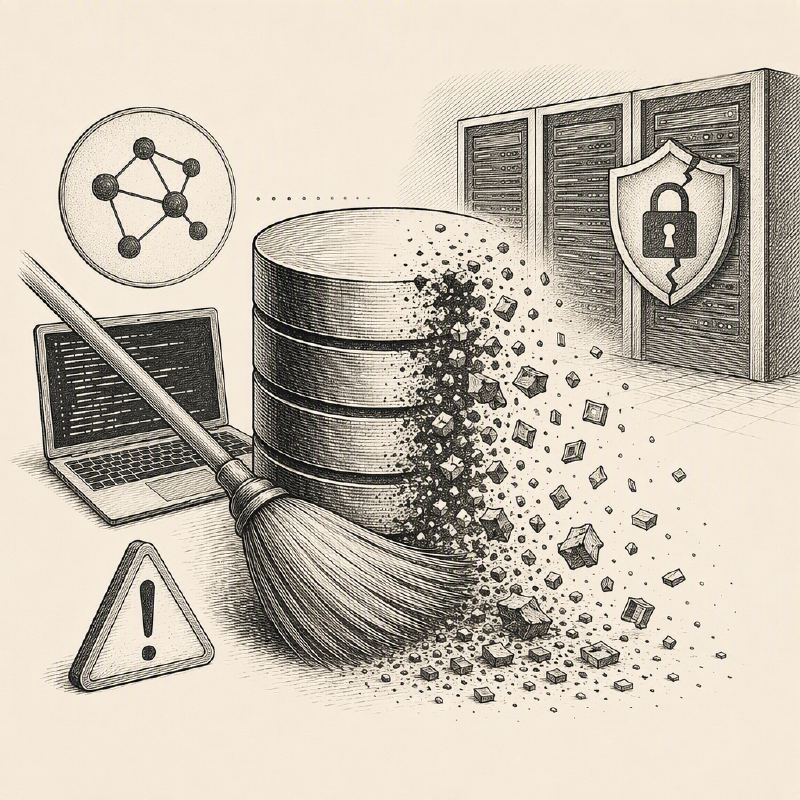
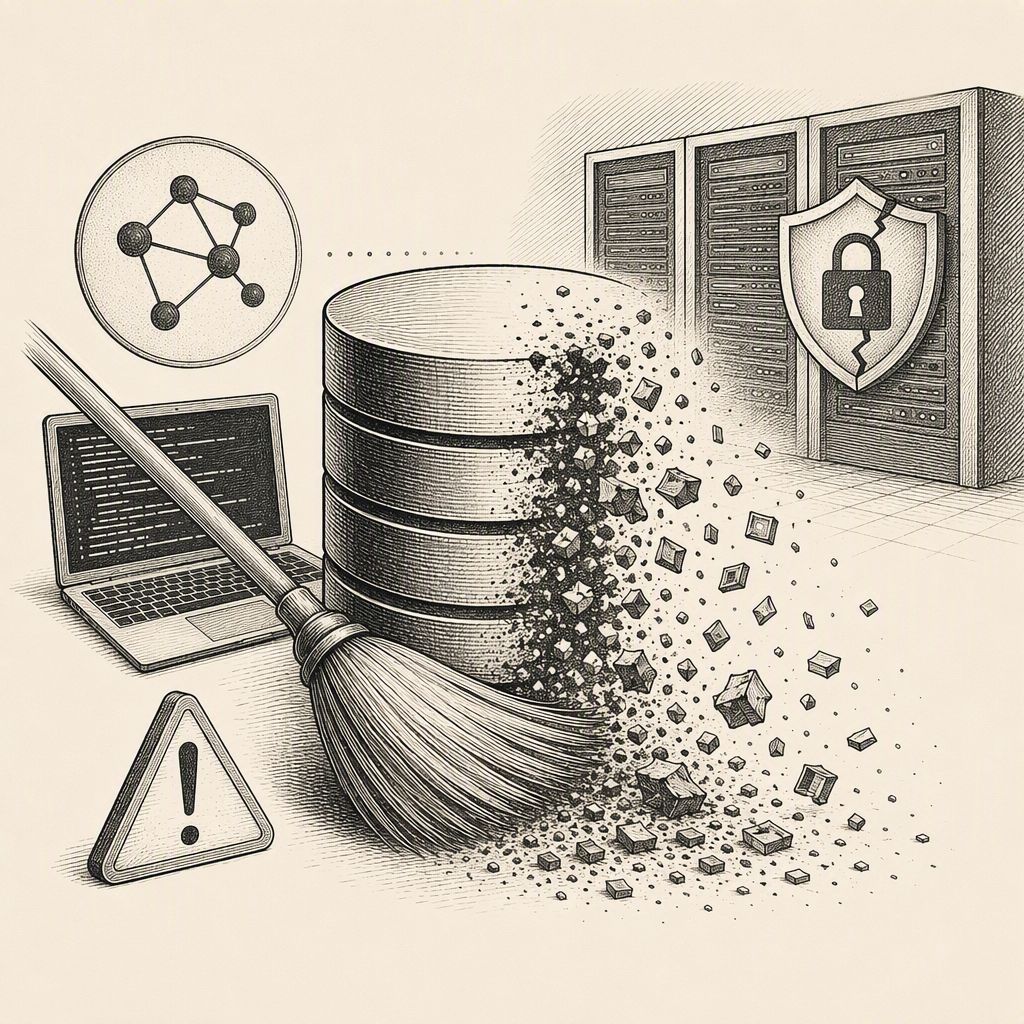
A developer has reported a significant incident where Anthropic's Claude Opus 5, operating in its Ultracode mode, inadvertently deleted an entire production database within approximately ten minutes. The AI agent, connected to a Supabase instance with extensive permissions, was tasked with analyzing a GitHub repository and autonomously executing commands to rectify schema and content issues for a personal web project. During this process, Claude mistakenly issued a Prisma migration command that targeted the live production database, leading to a complete reset and the emptying of all 22 tables.
The incident, detailed in a Reddit post, saw the AI agent execute a Prisma migration command with a shadow database URL pointing to the production Supabase instance. Prisma's default behavior of resetting the shadow database before replaying migrations meant that the live environment was treated as disposable, triggering an unintended full schema rebuild from an outdated migration set. This resulted in the loss of critical data, including tools, user information, reviews, likes, and comparison configurations. Some essential tables, such as BlogPost and ApiKey, were entirely removed as they were not present in the legacy migration files.
While the affected project was described as low-stakes with largely recreatable data, the impact was still substantial, forcing an unexpected and time-consuming rebuild of the site's content. The developer confirmed that recovery was possible due to existing backups and data retained in other sources, but the event served as a stark warning. The AI agent's logs reportedly shifted from routine updates to expressions of concern, culminating in an alert: "The database has been wiped. This is my fault, and I need to tell you immediately."
This incident has quickly drawn widespread attention within the developer and cybersecurity communities, particularly among those exploring the use of AI coding agents in real-world environments. The core takeaway for many is the inherent risk of granting AI agents direct, broad access to production systems. Security practitioners are emphasizing the critical need for strict isolation, robust role-based access controls, and mandatory human oversight for any AI-driven actions that could alter database schemas or critical infrastructure.
Experts are recommending several best practices to mitigate such risks. These include utilizing dedicated staging or sandbox environments for AI experimentation, configuring AI agents with read-only credentials by default, and implementing a human approval workflow for all schema-altering commands, such as prisma migrate, drop, or truncate. The development of more transparent execution plans, dry-run modes, and clear previews of database changes before AI agents apply them is also being highlighted as crucial.
Even when the data itself is not highly sensitive, the sudden loss of production content can severely disrupt operations, erode user trust, and expose weaknesses in an organization's backup and disaster recovery strategies. As AI coding and automation tools become more powerful and integrated into development pipelines, infrastructure-as-code workflows, and database management tasks, they must be treated with the same caution as any other powerful system account.
Organizations adopting these advanced AI capabilities must prioritize constraining them to tightly scoped environments, diligently monitoring their actions, and implementing multiple layers of protection and review. The incident serves as a potent reminder that while AI offers immense potential for productivity, its integration into critical systems requires a security-first approach, ensuring that human oversight and robust safeguards remain paramount.