
AI Accelerates Vulnerability Discovery, Forcing Security Overhaul
AI models are identifying software flaws at an unprecedented rate, challenging traditional vulnerability management and demanding faster response times from security teams.
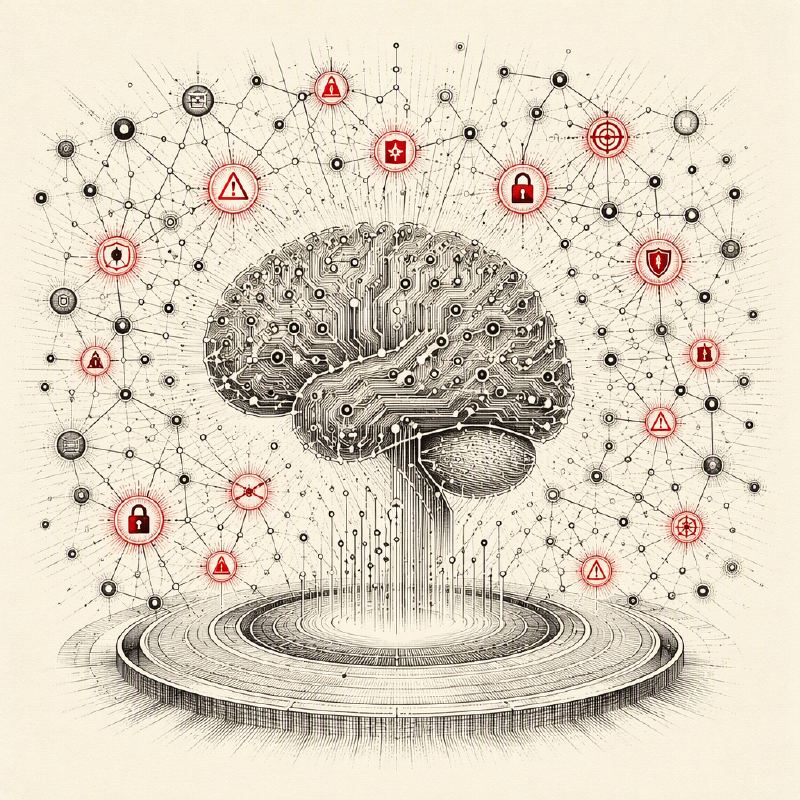
Artificial intelligence is rapidly transforming the landscape of software vulnerability discovery, with advanced models now capable of identifying thousands of flaws in critical software products at speeds that outpace human capabilities. Anthropic's Claude Mythos, an AI model in preview, has reportedly uncovered over 10,000 vulnerabilities in key software products, signaling a significant shift in how security weaknesses are found.
This surge in AI-driven vulnerability detection presents a dual-edged sword for the cybersecurity industry. While the increased identification of flaws is a net positive for improving software security, it places immense pressure on security teams. The sheer volume of discovered vulnerabilities necessitates a fundamental reevaluation of existing vulnerability management strategies. Traditional workflows, often designed for human-paced discovery, struggle to keep up with the machine speed at which AI can uncover potential weaknesses.
The challenge lies not just in discovery, but in the subsequent triage and assessment process. Security professionals must now rapidly analyze these AI-generated findings to determine their exploitability in real-world scenarios. Distinguishing between theoretical flaws and those actively posing a threat to systems is crucial for prioritizing remediation efforts and allocating limited resources effectively. This requires enhanced tooling and potentially new skill sets within security teams to interpret and validate AI-driven security research.
Furthermore, the accelerated pace of discovery means that the window between a vulnerability's identification and its potential exploitation by malicious actors is shrinking. This dynamic underscores the urgency for organizations to move beyond traditional "Patch Tuesday" cycles. Proactive and continuous vulnerability assessment, coupled with rapid patching and mitigation strategies, becomes paramount to staying ahead of adversaries who could leverage AI to find and exploit vulnerabilities faster than defenders can respond.
The implications extend to software development lifecycles as well. Developers and vendors will need to integrate security testing earlier and more frequently, potentially using AI tools themselves to identify and fix flaws before products are released. This proactive approach, often referred to as "shift-left" security, becomes even more critical when AI can find bugs in existing codebases so efficiently.
Industry experts predict that this trend will continue to grow, making AI a permanent fixture in both offensive and defensive cybersecurity operations. Organizations that fail to adapt their vulnerability management programs to account for AI's capabilities risk falling behind, leaving themselves exposed to a rapidly evolving threat landscape. The future of cybersecurity hinges on effectively integrating AI into defense strategies, not just for discovery, but for rapid response and continuous security improvement.
This evolving threat landscape demands a strategic shift, moving from reactive patching to a more proactive, intelligence-driven security posture. The ability to quickly assess, prioritize, and remediate vulnerabilities identified by AI will become a key differentiator for organizations seeking to maintain robust security in the face of increasingly sophisticated threats.