
AI Accelerates Patch Bypass: Security Fixes Now Require Fixes
A surge in AI-driven vulnerability discovery is leading to a significant increase in security patches being bypassed by attackers, forcing vendors to issue follow-up fixes.
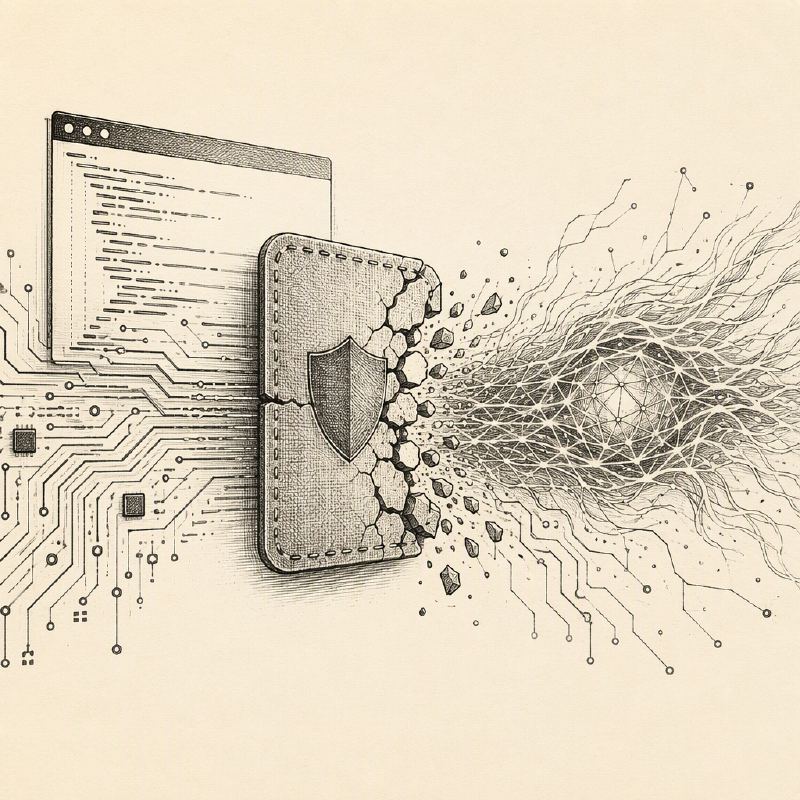

The cybersecurity landscape is facing a new challenge as artificial intelligence, once a tool for defenders, is now being weaponized by attackers to circumvent security patches. A recent report from Terra Security reveals a dramatic rise in patch bypasses in 2026, with 2.3% of GitHub security fixes requiring subsequent advisories within 90 days—a stark increase from the previous 0.2% average.
This trend is directly linked to the proliferation of AI in vulnerability research and exploit development. Attackers are leveraging AI to rapidly identify weaknesses in software and, critically, to find ways around the very fixes intended to secure systems. The report highlights specific instances, such as the exploitation of CVE-2026-21510, a Windows Shell security bypass bug, by Russian government cyberspies before Microsoft could fully address it. Even after Microsoft released a patch, a secondary flaw, CVE-2026-32202, remained, allowing further abuse until a subsequent fix in April.
Terra Security's analysis of CVE records and GitHub advisories identified a distinct pattern: a security fix is released, an attacker finds a bypass using AI, and then another fix is required. This cycle has become significantly more prevalent in 2026. Vulnerabilities whose patches were bypassed were also found to be approximately four times more likely to be added to the US Cybersecurity and Infrastructure Security Agency's (CISA) Known Exploited Vulnerabilities (KEV) list compared to other vulnerabilities from the same vendors.
The report pinpoints specific vulnerability classes that are particularly susceptible to this patch bypass phenomenon. Fixes for server-side request forgery (SSRF) and prototype-pollution vulnerabilities are frequently compromised. This is attributed to the common patching strategy for these types of flaws, which often involves creating reject-lists for potentially malicious inputs. Attackers, armed with AI, can more easily discover edge cases or encoding methods that bypass these lists, effectively finding a way around the intended security measure.
Even the Linux kernel, a bedrock of many operating systems, is not immune. Kernel CNA records indicate that 3.2% of Linux kernel CVEs were introduced as a result of fixes for other CVEs. In particularly active subsystems like file system/SMB and networking/scheduling, this figure can reach as high as 10%, demonstrating that even complex, well-vetted code can introduce new vulnerabilities through patching.
This escalating problem serves as a critical wake-up call for both software vendors and network defenders. The traditional "patch and move on" mentality is no longer sufficient. Vendors must adopt a more rigorous approach before releasing patches, asking: Does the fix address the root cause? Does it cover the entire bug class? Does it introduce new vulnerabilities? Similarly, system administrators should scrutinize patches before deployment, considering the same questions.
The implication is clear: once a vulnerability is patched, especially one that has been actively exploited, it should be assumed that attackers are already analyzing the patch for potential bypasses. The AI-driven arms race in cybersecurity means that vigilance must be heightened at every stage of the vulnerability management lifecycle, from discovery and patching to post-patch verification.