
AI Accelerates Malware Creation, But Success Rate Remains Low, Study Finds
A Palo Alto Networks Unit 42 analysis of 405 AI-linked malware samples reveals that while AI may speed up development, it has not yet significantly improved malware's success rate in reaching production environments.

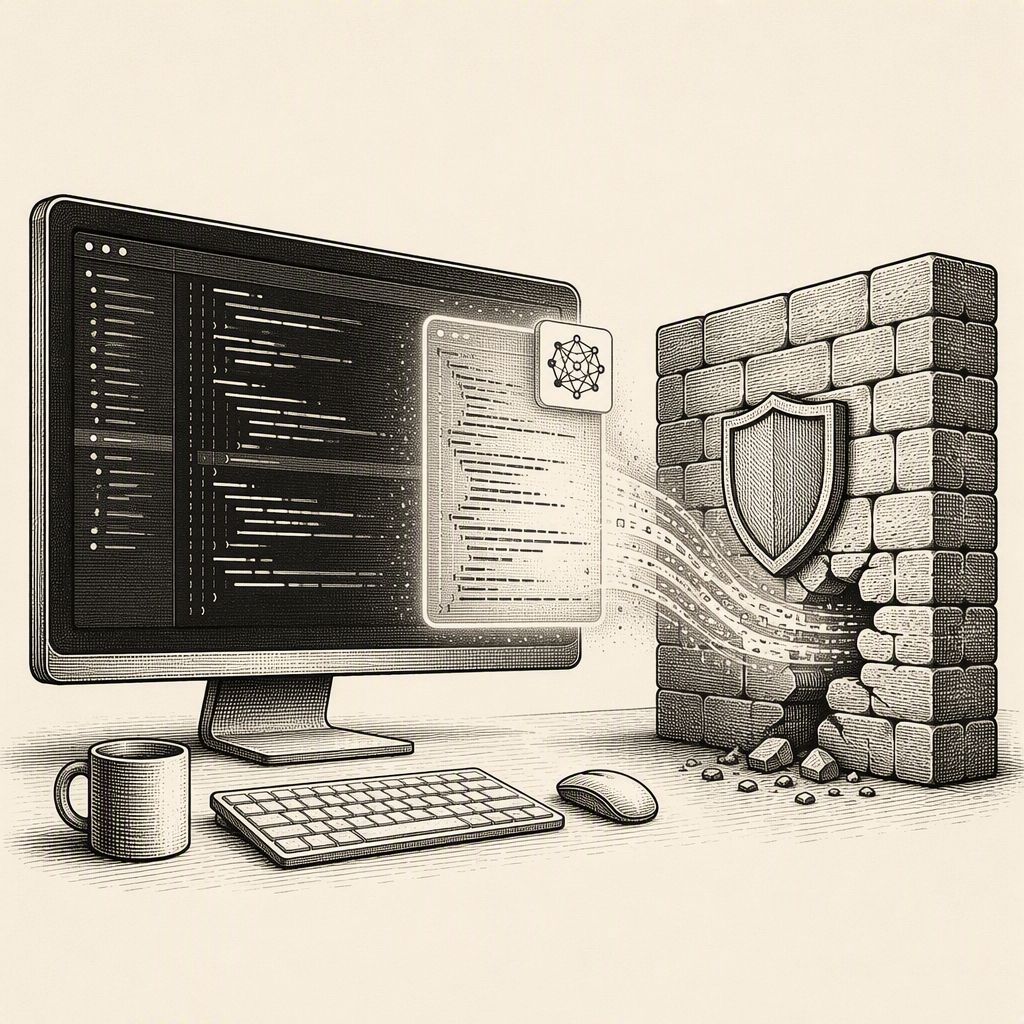
Palo Alto Networks' threat intelligence arm, Unit 42, has conducted an in-depth analysis of 405 malware samples that show signs of AI involvement in their development. The findings suggest a nuanced picture of artificial intelligence's impact on the cybersecurity landscape: while AI tools can indeed accelerate the creation process for malicious software, they have not yet translated into a proportional increase in the success rate of these samples reaching their intended targets in production environments.
Out of the 405 AI-linked malware samples examined, a mere 12 were found to have successfully infiltrated production endpoints. This indicates that despite the potential for AI to streamline coding, debugging, and evasion techniques, significant hurdles remain for malware authors in deploying their creations effectively. These challenges could range from detection by security software to the complexities of exploit delivery and maintaining persistence on compromised systems.
The research highlights that AI's current role in malware development appears to be more about efficiency in the creation phase rather than a breakthrough in evasion or exploitation capabilities. This suggests that traditional security measures, combined with evolving threat detection strategies, are still largely effective against AI-assisted malware, at least in its current iteration.
Unit 42's analysis did not delve into the specific AI models or techniques used by threat actors, but the presence of AI in the development pipeline is becoming increasingly apparent. This could involve using AI for code generation, vulnerability research, or crafting more sophisticated social engineering lures. However, the low success rate implies that the output of these AI tools may still require significant human oversight and refinement to be truly effective in the wild.
This finding contrasts with some of the more alarmist predictions about AI's immediate impact on cybercrime. While the potential for AI to revolutionize cyberattacks is undeniable, this study suggests that the practical application of AI in achieving successful, widespread malware deployments is still in its nascent stages. The cybersecurity community can take some comfort in the fact that current defenses appear to be holding up against this new wave of AI-assisted threats.
However, the report also serves as a crucial warning. The rapid advancement of AI technologies means that this landscape could change quickly. As AI models become more sophisticated and threat actors become more adept at leveraging them, the success rate of AI-generated malware may increase in the future. Continuous monitoring and adaptation of security strategies will be essential.
Organizations should remain vigilant and ensure their security postures are robust, incorporating advanced threat detection and response capabilities. While AI may be speeding up the assembly line for malware, the journey from the developer's workbench to a successful breach is still fraught with peril for the attackers, according to this latest analysis.