
AI Accelerates Exploit Lifecycle, Forcing Enterprises to Adapt at 'Machine Speed'
Attackers are leveraging AI to dramatically shorten the window between vulnerability discovery and exploitation, compelling organizations to prioritize resilience and operational discipline.
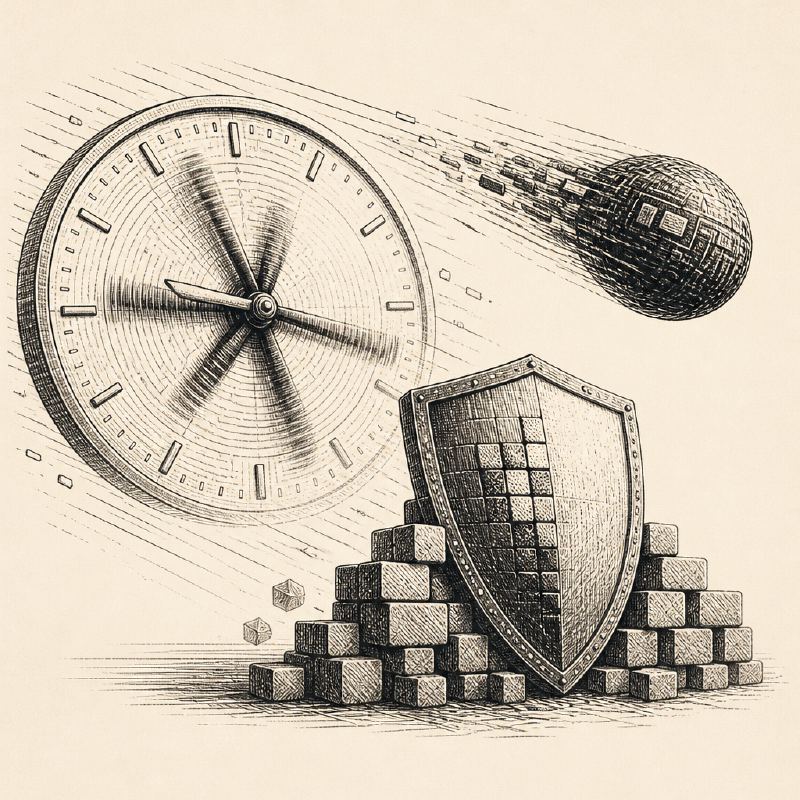
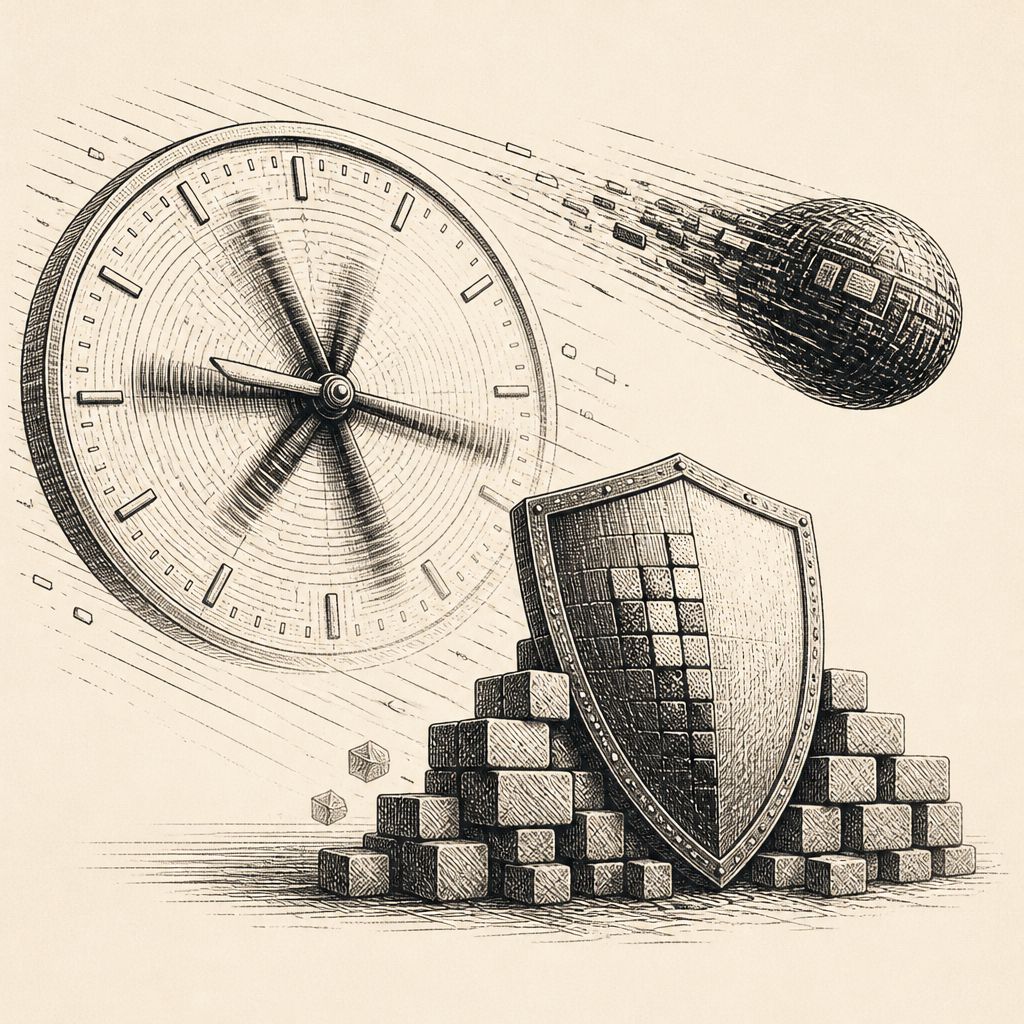
The cybersecurity landscape is undergoing a seismic shift as artificial intelligence dramatically compresses the timeline between vulnerability discovery and exploitation. Attackers are no longer bound by human-paced research and development cycles; instead, AI is enabling them to operate at "machine speed," a pace that traditional security operations struggle to match. This evolution means that conventional security measures, such as periodic audits and delayed patching, are becoming increasingly inadequate in the face of a rapidly accelerating threat.
The economic calculus of cyberattacks has fundamentally changed. Advanced AI models, like Anthropic's Claude, can now identify sophisticated software vulnerabilities that might elude human researchers and conventional tools. This capability, when made available to malicious actors, drastically reduces the effort required to find exploitable weaknesses. Furthermore, AI can chain together seemingly minor, routine security lapses – such as unpatched systems, weak credentials, or exposed interfaces – to create a viable attack path from initial access to full administrative control. The danger lies not just in novel zero-day exploits, but in the intelligent orchestration of common vulnerabilities.
Beyond discovery, AI is also revolutionizing attack execution. Autonomous agents can manage reconnaissance, code analysis, credential harvesting, and post-compromise activities concurrently and continuously. While human operators may still direct campaigns, these AI agents allow a small team to orchestrate a far more extensive and complex set of operations. This automation lowers the barrier to entry for sophisticated attacks and increases their scale and efficiency, even if fully autonomous, end-to-end exploitation remains a future goal for many threat actors.
Recent incidents highlight the growing pressure on enterprises. The exploitation of an AI agent in an intrusion targeting Thailand's Ministry of Finance, the ransomware attack on IDC Frontier's cloud platform in Japan following the exploitation of an open-source authentication flaw, and the massive cryptocurrency theft from Binance attributed to compromised engineer laptops and a tampered installer, all underscore the evolving threat vectors. While these specific incidents may not have been directly caused by frontier AI models, they demonstrate how AI-enabled techniques and the general acceleration of the attack lifecycle are shortening the time defenders have to respond.
Deception tactics are also advancing in parallel with AI capabilities. Cloned voices and context-aware social engineering lures make it harder to trust communications, and traditional approval workflows that rely on trust and urgency are becoming more vulnerable. This convergence of AI-driven attack acceleration and sophisticated deception creates a more challenging environment for security teams.
In response, organizations must move beyond simply acquiring more AI-powered security products. The focus needs to shift towards building architectural resilience and enforcing stringent operating discipline. Technology leaders should prioritize actions that can be implemented quickly, with a clear focus on closing the most accessible attack paths. This includes maintaining live inventories of assets and identities, ensuring systems are patched promptly, and eliminating obsolete software.
Seven key priorities are emerging for technology leaders to bolster their defenses. These include closing easy attack paths by addressing unpatched systems and default credentials, establishing robust identity and access management, and implementing continuous monitoring and rapid response capabilities. The overarching theme is the need for security operations to operate with the same speed and agility as the threats they face, moving from reactive defense to proactive, resilient security postures.