
Agentic AI Frameworks Accelerate Secret Discovery and Cloud Compromise
Threat actors are weaponizing agentic AI frameworks like ARTEX to rapidly scan public repositories for exposed secrets, leading to swift cloud resource compromise and data exfiltration.
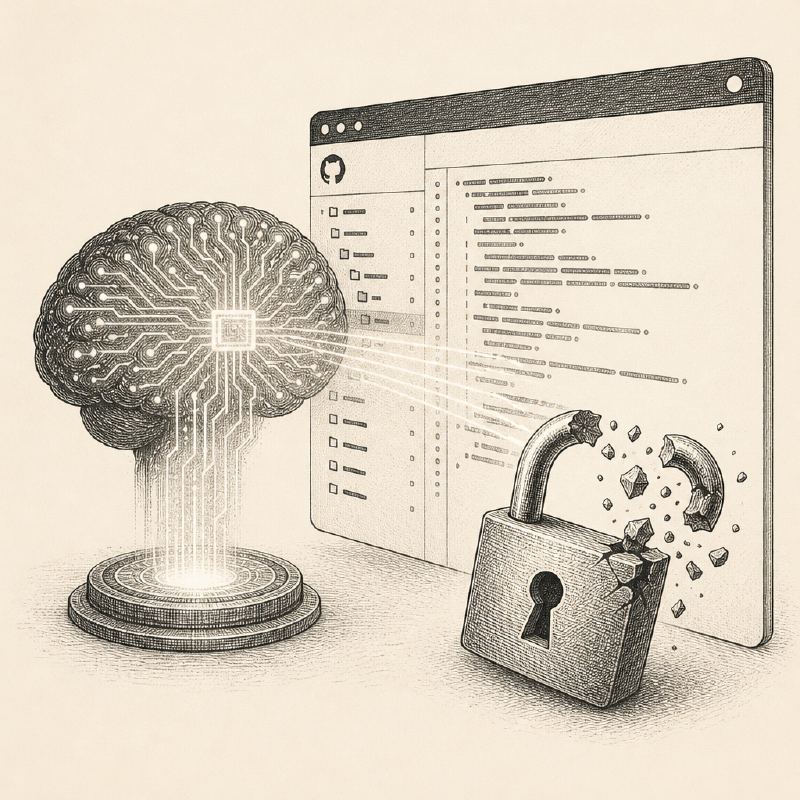
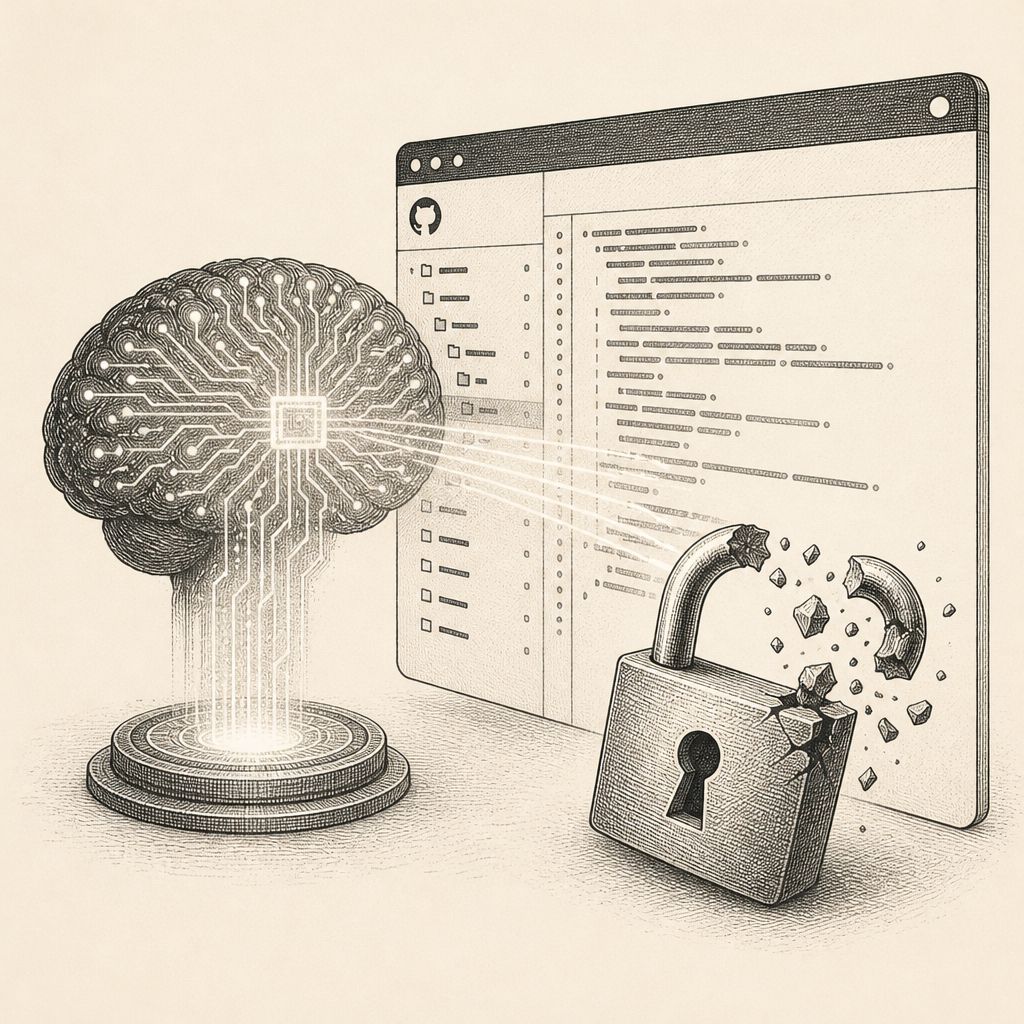
Microsoft Threat Intelligence has identified a significant escalation in cyberattack methodologies, with threat actors now employing agentic AI offensive frameworks to automate the discovery and exploitation of exposed secrets. These frameworks, exemplified by ARTEX, are capable of rapidly scanning public GitHub repositories for sensitive information such as credentials, application credentials, and AI inference-related API keys across various applications and cloud services. This automation drastically reduces the time and manual effort previously required for attackers to identify and leverage compromised secrets.
Historically, the process of finding exposed secrets in public code repositories was a time-consuming endeavor. Human operators would need to manually search repositories, analyze their contents, and then attempt to utilize any discovered authentication material. However, agentic AI tooling fundamentally changes this dynamic. These tools not only accelerate the scanning process across vast numbers of repositories but also empower agents to analyze the findings and initiate follow-on attacks with minimal to no direct human intervention. Microsoft has documented instances where an AI agent progressed from scanning GitHub for secrets to exfiltrating data from Azure Key Vault in as little as five minutes, highlighting an unprecedented speed of compromise.
Beyond initial secret discovery, these agentic frameworks are being used for sophisticated follow-on activities. Microsoft observed successful service principal sign-ins originating from specific IP addresses, including cases where compromised multitenant application credentials, originating from a vendor-owned application, were leveraged to gain access to multiple downstream tenants. The threat actor utilized these stolen credentials for extensive cloud resource discovery, exfiltration of data from services like Azure Key Vaults and Storage Accounts, and the abuse of Azure AI services. This demonstrates a clear pattern of using AI to automate and scale complex attack chains.
Microsoft has also noted malicious activity associated with two distinct IP addresses potentially linked to this campaign. One IP address was observed engaging in malicious operations, including vulnerability exploitation via embedded shell commands in user agent strings and attempts to obtain App Service authentication tokens. Separately, reconnaissance operations targeting victims' AI workloads on Azure AI services were detected originating from another IP address. These findings underscore the diverse attack vectors being employed and the need for comprehensive monitoring.
To combat this evolving threat, Microsoft urges organizations to proactively scan their code repositories, particularly public ones on platforms like GitHub, for any exposed secrets. Immediate rotation of compromised keys and credentials is a critical remediation step. GitHub itself offers automated secret scanning for public repositories and provides advanced security features for Azure DevOps, including push protection to prevent secrets from being committed in the first place. Organizations should also consider enabling GitHub Secret Protection for Azure DevOps.
Reducing the attack surface involves several key strategies. Developers are encouraged to migrate away from secret-based authentication for OAuth applications, as storing long-lived application client secrets directly in code presents a significant risk. The adoption of managed identities for application authentication is a more secure alternative, eliminating the possibility of secret exposure in code and simplifying secure scaling. Furthermore, organizations must enforce the principle of least privilege, safeguard recovery resources, and enable relevant Microsoft Defender for Cloud protections to bolster their overall security posture.
The observed activity represents a broader trend where threat actors are leveraging agentic AI penetration testing frameworks to accelerate every stage of the attack chain. As these AI capabilities mature, defenders must similarly adopt AI-driven approaches for investigation and response across their environments to maintain an effective security posture against increasingly sophisticated adversaries.