
AgentCorruption Vulnerability Allowed Single Prompt to Compromise AWS Environments
A critical vulnerability in AWS Bedrock AgentCore, now patched, allowed attackers to compromise entire AWS environments with a single malicious prompt.
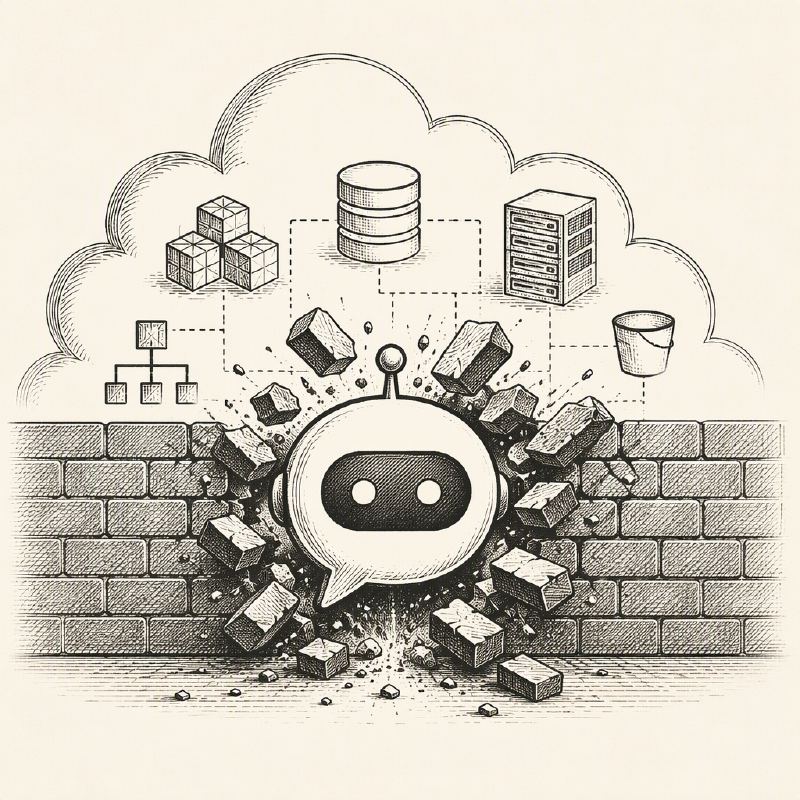
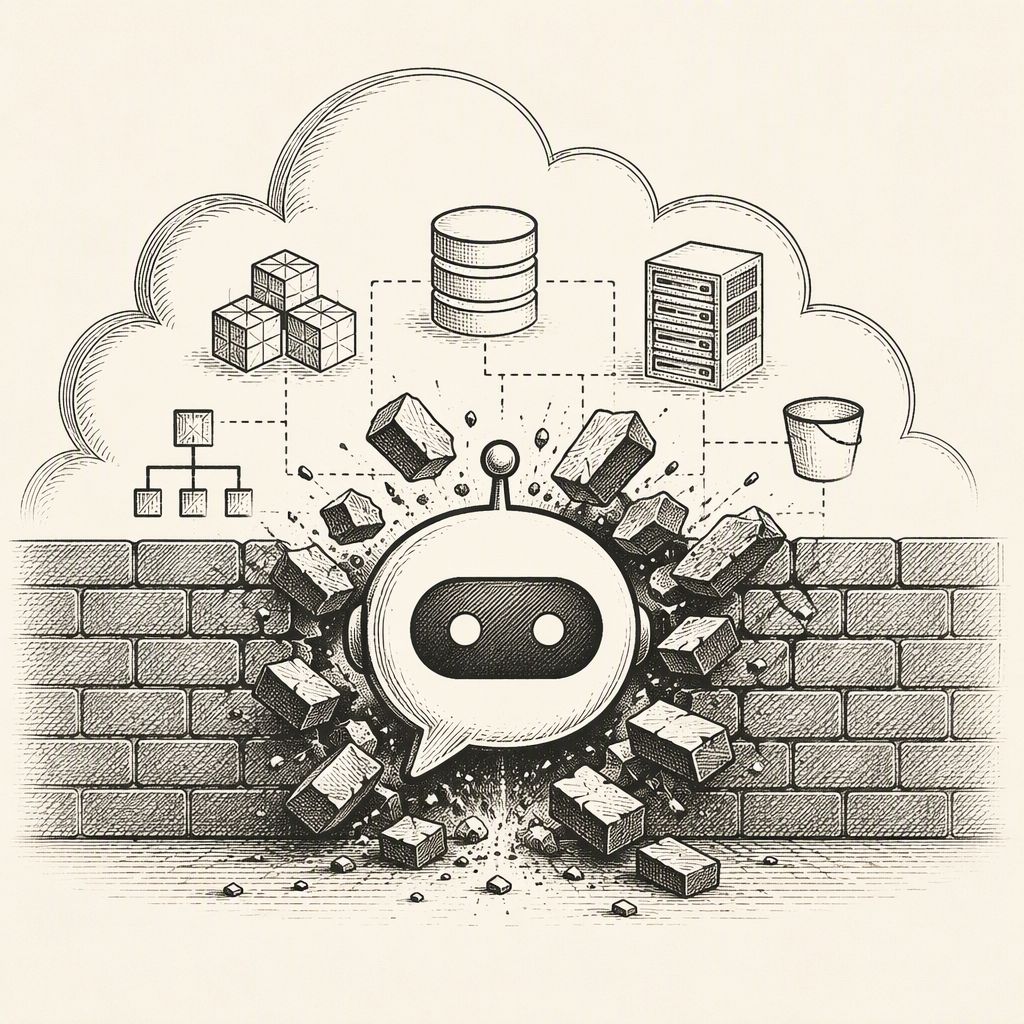
A severe vulnerability within Amazon Web Services' (AWS) Bedrock AgentCore, identified as 'AgentCorruption,' has been patched, but not before posing a significant risk to cloud environments. This flaw enabled an attacker to leverage a single, carefully crafted prompt to gain control over an organization's entire fleet of AWS resources.
The exploit targeted the core functionality of AI agents operating within the AWS ecosystem. By manipulating the interaction between an AI chatbot and the AgentCore service, an attacker could essentially trick the agent into executing commands with elevated privileges. This allowed for the potential exfiltration of sensitive data, unauthorized modification of resources, or even complete system takeover.
While the specifics of the exploit mechanism remain under wraps due to security considerations, the core issue revolved around how the AI agent processed and executed instructions originating from user prompts. The vulnerability likely allowed for prompt injection or a similar technique that bypassed intended security controls, granting the attacker an unintended level of access.
The implications of AgentCorruption are far-reaching, particularly for organizations heavily reliant on AI-driven automation and cloud-native services. The ability for a single compromised AI agent to cascade into a full-scale breach highlights the inherent risks associated with integrating advanced AI capabilities into critical infrastructure.
AWS has confirmed that the vulnerability has been patched, mitigating the immediate threat. However, the incident serves as a stark reminder of the evolving threat landscape for cloud security, especially as AI agents become more autonomous and integrated into business operations. Organizations are urged to review their AI agent configurations and security protocols.
This event underscores the critical need for robust security measures around AI integrations. As AI agents become more powerful and interconnected, the potential impact of a single vulnerability or compromise increases exponentially. Security teams must prioritize secure coding practices, rigorous testing, and continuous monitoring of AI systems.
The AgentCorruption incident is a significant development in the ongoing discussion about AI security. It emphasizes that the complexity of AI systems can introduce novel attack vectors that require specialized security approaches. The rapid patching by AWS is a positive sign, but the incident will likely spur further research and development into securing AI agents and their underlying platforms.