
Aeternum Botnet Leverages Blockchain for Resilient Command and Control
The Aeternum botnet is employing the Polygon blockchain for its command and control (C2) infrastructure, making traditional takedown efforts significantly more challenging.
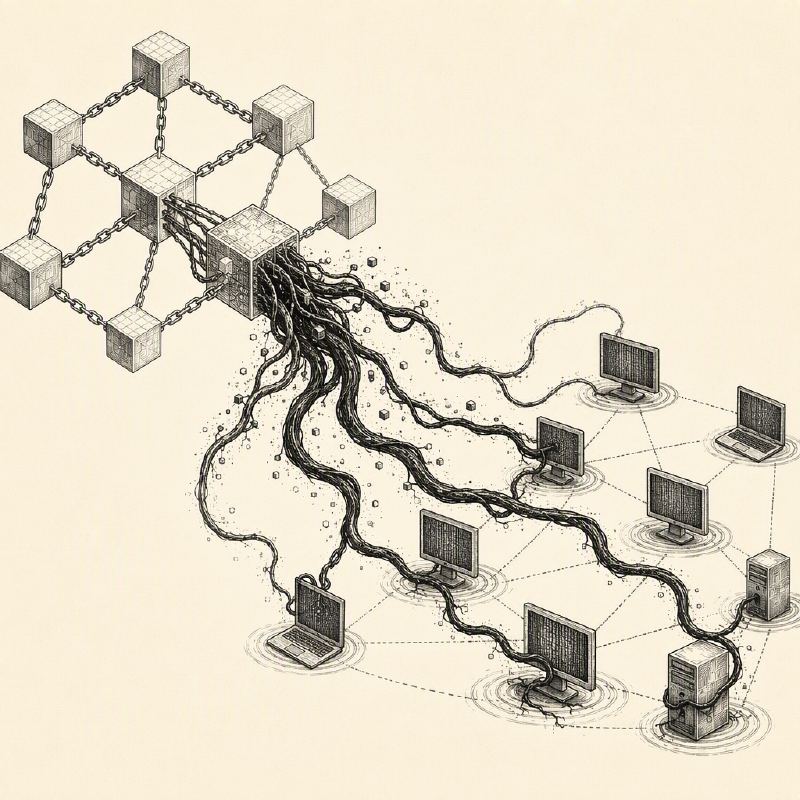
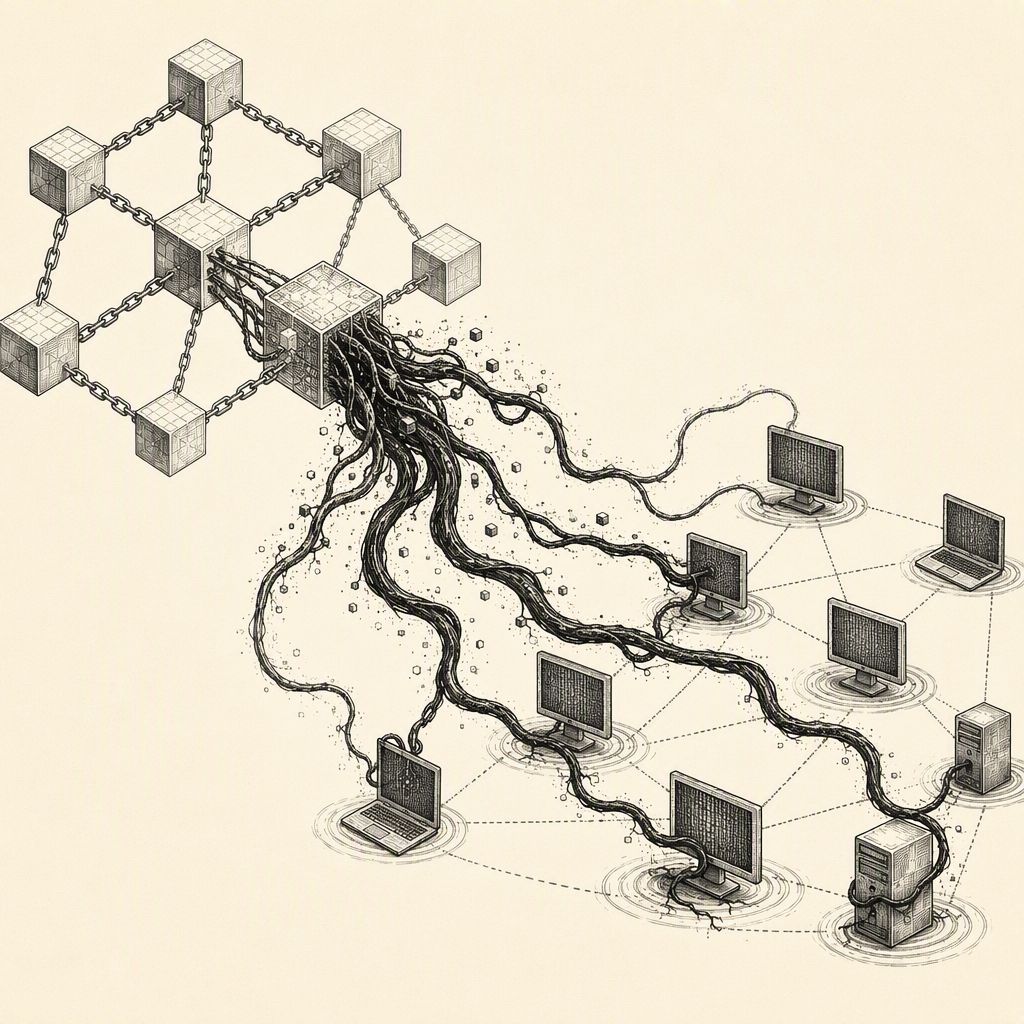
Security researchers have uncovered a sophisticated botnet operation named Aeternum that utilizes the Polygon blockchain as its primary command and control (C2) infrastructure. This novel approach to C2 communication and payload delivery presents a significant challenge to traditional cybersecurity defenses, which often rely on identifying and disrupting centralized servers.
The Aeternum botnet loader employs smart contracts deployed on the Polygon blockchain to manage its operations. Threat actors leverage these contracts to issue commands to infected machines and orchestrate the execution of malicious payloads. This decentralized architecture means there is no single point of failure that security teams can target for a takedown, as the C2 infrastructure is distributed across the blockchain's network.
By embedding C2 functions within smart contracts, Aeternum gains a layer of resilience and obfuscation. Blockchain transactions are immutable and publicly verifiable, yet the specific content and intent of these transactions can be obscured through various encoding and encryption techniques. This allows the operators to communicate with their botnet in a way that is difficult to monitor or intercept using conventional network traffic analysis tools.
The implications of this blockchain-based C2 are far-reaching. Traditional methods of disrupting botnets, such as sinkholing malicious domains or taking down command servers, become largely ineffective. The decentralized nature of blockchain means that even if one node or smart contract is identified, the botnet can continue to operate as long as other nodes remain active and accessible.
While the specific initial infection vector for Aeternum is not detailed in the analysis, the botnet's ability to maintain persistent and resilient C2 communication suggests a potentially wide-reaching impact. The use of blockchain for C2 is an evolving tactic, and its adoption by malware like Aeternum highlights the growing sophistication of cybercriminal operations.
This development underscores a broader trend of threat actors exploring and adopting decentralized technologies to enhance the stealth and survivability of their operations. As blockchain technology becomes more integrated into various aspects of the digital landscape, its potential misuse for malicious purposes, such as C2 infrastructure, is likely to increase.
Organizations and security researchers must adapt their strategies to detect and mitigate threats that leverage blockchain technology. This may involve developing new analytical tools capable of monitoring blockchain transactions for malicious patterns, understanding smart contract vulnerabilities, and collaborating across the cybersecurity and blockchain communities to share intelligence and develop effective countermeasures.
This new analysis reveals that the Aeternum botnet's command and control infrastructure, already noted for its resilience due to the use of Polygon blockchain smart contracts, is capable of delivering additional payloads, stealing cryptocurrency wallet data, and exfiltrating information via Telegram. Researchers have identified over 29,000 detection events, underscoring the practical effectiveness of this blockchain-backed approach for criminal operations.