
AdaptHealth Data Breach Exposes Personal and Health Information of Over 4.1 Million Individuals
Healthcare provider AdaptHealth has disclosed a data breach impacting approximately 4.1 million individuals, with sensitive personal, health, and insurance data compromised.
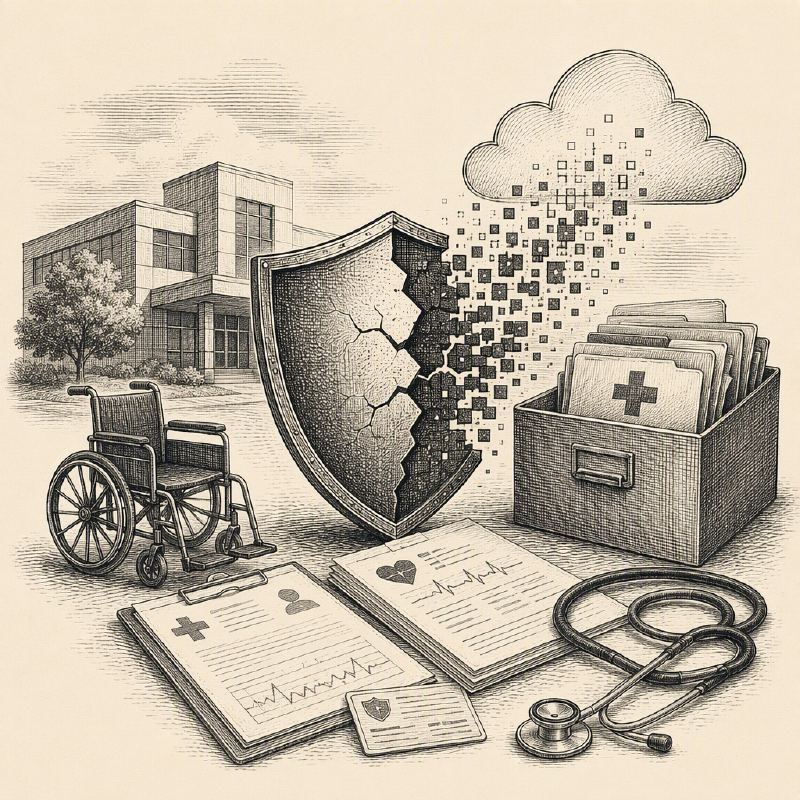
AdaptHealth, a significant healthcare company operating over 680 facilities across the United States, has confirmed a substantial data breach that has exposed the personal, health, and insurance information of more than 4.1 million individuals. The incident, which came to light in early June, involved unauthorized access to the company's cloud-based applications, including critical internal systems used for patient management and document storage.
The breach was initiated when a threat actor successfully compromised a user session at a third-party contractor through social engineering tactics. This initial access allowed the attackers to infiltrate AdaptHealth's systems. Following the compromise, the threat actor contacted the company, leading to the confirmation of the data breach and the subsequent theft of a password file associated with insurance billing.
On August 14, AdaptHealth officially announced the exfiltration of sensitive data, which included names, contact and demographic information, as well as health and health insurance details. Crucially, the company stated that Social Security numbers and financial information were not affected by this particular breach. The full extent of the compromise is still under assessment, but the notification to the U.S. Department of Health and Human Services (HHS) indicated that 4,115,802 individuals were impacted.
HHS added AdaptHealth to its data breach portal this week, highlighting the scale of the incident within the healthcare sector. This breach occurred concurrently with another major healthcare data compromise reported to HHS on the same day: clinical genomics company Baylor Genetics. Baylor Genetics also suffered a hack in June, leading to the theft of patient names, dates of birth, medical test data, health insurance information, and Social Security numbers, along with employee PII and financial information.
The incident at AdaptHealth underscores the persistent threats facing the healthcare industry, which holds vast amounts of sensitive personal health information (PHI). The reliance on cloud-based systems and third-party contractors, while offering efficiency, also introduces potential vulnerabilities that attackers can exploit. The use of social engineering to gain initial access is a common tactic, emphasizing the need for robust security awareness training for all personnel, including those at partner organizations.
While AdaptHealth stated that Social Security numbers and financial data were not compromised, the exposure of personal and health information can still lead to significant risks for affected individuals. This can include identity theft, targeted phishing attacks, and potential misuse of medical information. The company's notification to HHS and the subsequent addition to the department's data breach portal serve as a critical step in transparency and regulatory compliance.
The ongoing wave of data breaches in the healthcare sector highlights the critical need for enhanced cybersecurity measures. Organizations must continually assess and strengthen their defenses, implement multi-factor authentication, conduct regular security audits, and ensure strict access controls, particularly for cloud environments and third-party vendor relationships. The incident serves as a stark reminder of the importance of proactive security strategies in protecting patient data.