
15 TP-Link Vulnerabilities Jeopardize Zero-Trust Network Provisioning
Researchers have uncovered 15 critical vulnerabilities in TP-Link devices that undermine secure zero-trust network provisioning, potentially allowing attackers to compromise devices during setup.
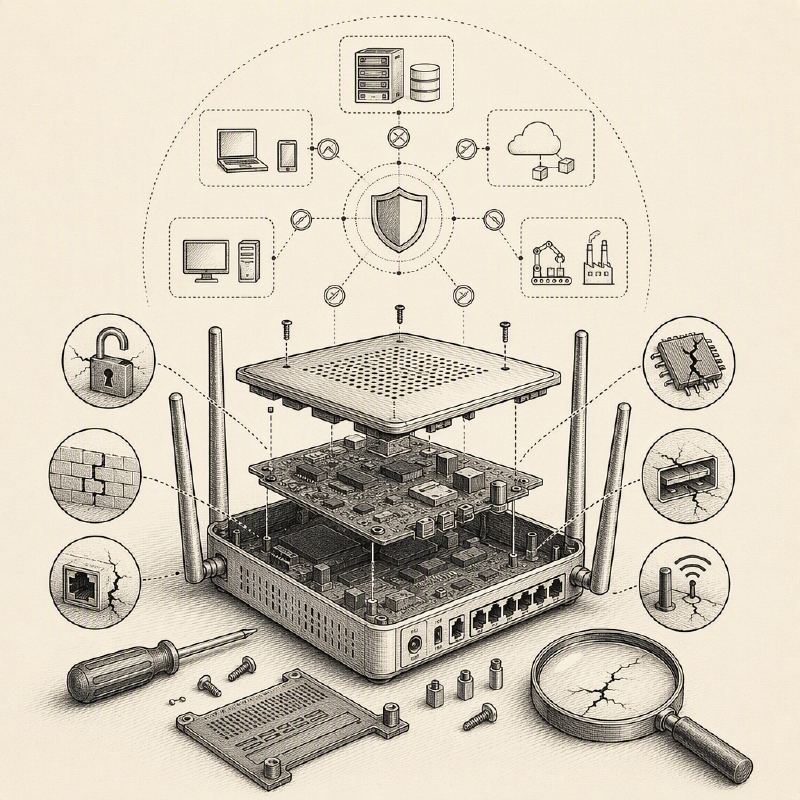
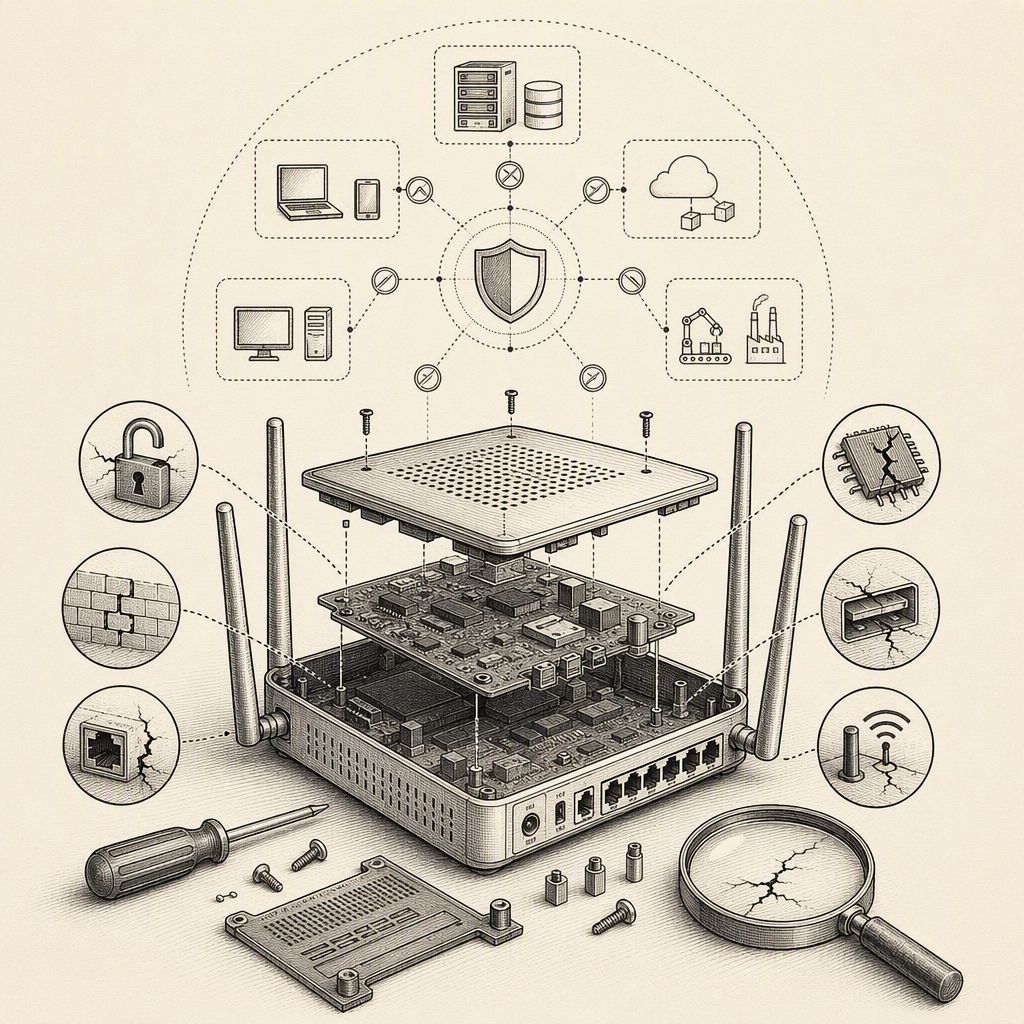
A significant security lapse has been identified in the automated provisioning capabilities of network devices from a leading global manufacturer, TP-Link. Researchers have detailed 15 distinct vulnerabilities that could allow malicious actors to compromise network infrastructure during the critical initial setup phase, undermining the integrity of zero-trust architectures.
The flaws, discovered by security researchers, specifically target the automated processes designed to onboard and configure network devices securely. In a zero-trust model, devices are assumed to be untrusted until verified and granted minimal necessary privileges. However, these vulnerabilities could enable attackers to intercept or manipulate the provisioning process, effectively injecting compromised devices into a network or gaining unauthorized control over legitimate ones before they are properly secured.
While the specific technical details of each vulnerability are still emerging, the implications are far-reaching. Compromised devices during provisioning could lead to unauthorized network access, data exfiltration, or the establishment of persistent backdoors. This is particularly concerning for organizations that rely on automated deployment to scale their networks efficiently and maintain a strong security posture.
TP-Link has acknowledged the findings and is reportedly working on patches to address the identified vulnerabilities. The company has not yet released specific timelines for these updates, but users are advised to remain vigilant and consult official TP-Link security advisories for the latest information and remediation guidance. In the interim, manual verification of device configurations and network segmentation may offer some mitigation.
The discovery highlights a broader challenge in the cybersecurity landscape: the security of the supply chain and the automated processes that manage network infrastructure. As organizations increasingly adopt zero-trust principles and rely on automated deployment, the security of these foundational provisioning mechanisms becomes paramount.
This incident serves as a stark reminder that even established manufacturers can have critical security gaps, especially in complex automated systems. The research underscores the need for continuous security auditing and robust testing of device provisioning workflows, particularly in environments where automated deployment is the norm.
Further analysis is expected to reveal the precise attack vectors and the full scope of affected TP-Link device models and firmware versions. Security professionals are urged to monitor threat intelligence feeds and vendor communications closely to prepare for and implement necessary security updates as they become available.