
‘123456’ Remains World's Most Popular Password for Eighth Consecutive Year
NordPass's latest report reveals '123456' has held the top spot for the seventh time in eight years, highlighting persistent user password security failures.
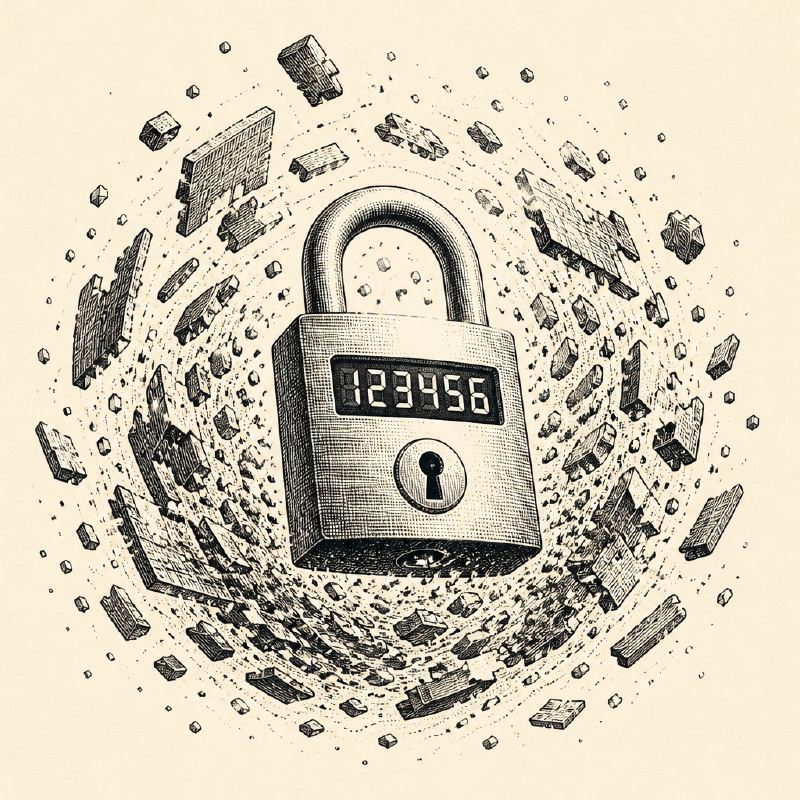
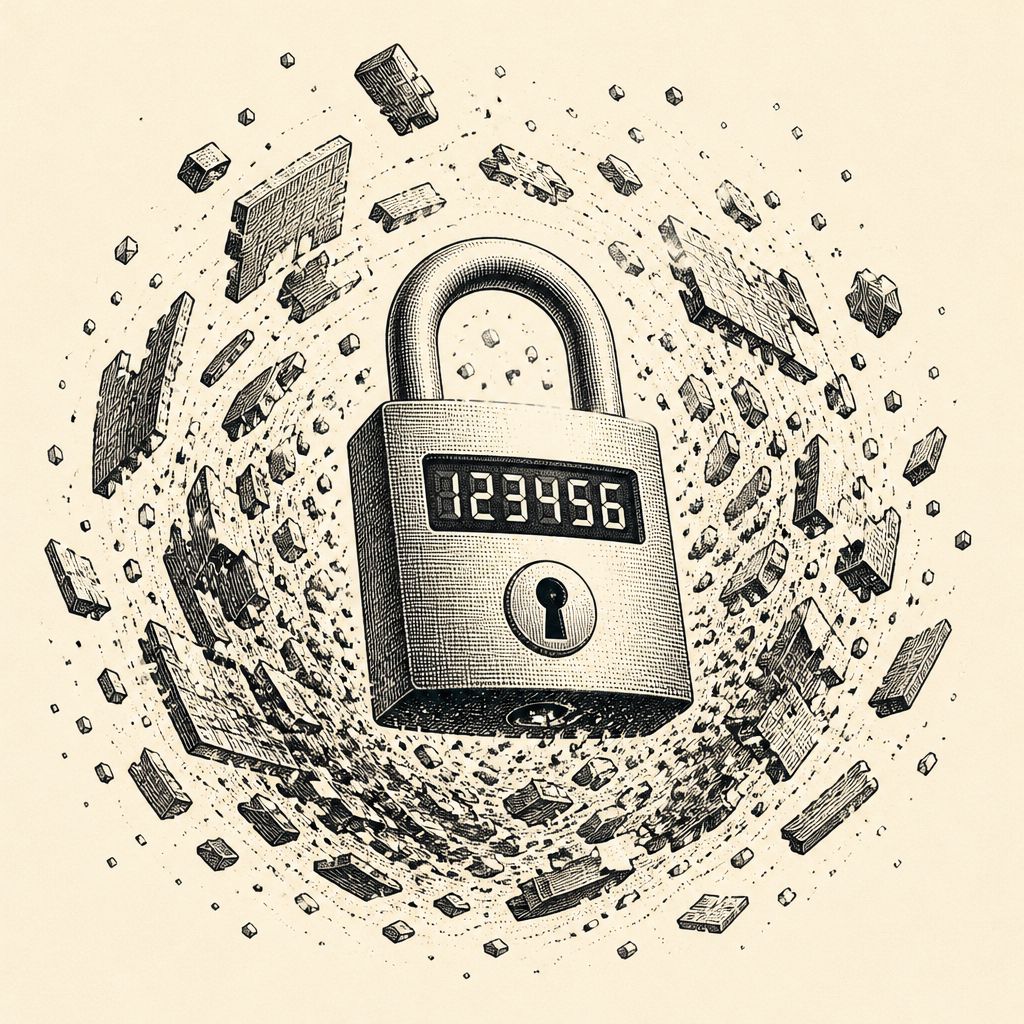
For the seventh time in eight years, the password '123456' has been crowned the world's most common password, according to NordPass's latest annual report. This grim statistic underscores a persistent and widespread failure in basic cybersecurity practices among internet users globally. The report, which analyzes password data from numerous breaches, indicates that the top three passwords – '123456', 'admin', and '12345678' – have remained unchanged in their ranking for the entire eight years NordPass has been publishing this list.
The lack of variety extends beyond the top three. The report notes minimal shuffling within the top ten most popular passwords, with '1234' making a new entry and 'password' slipping from sixth to seventh place. This stagnation in password security habits is particularly concerning given the evolving threat landscape. NordPass explicitly states that "we still have a lot of work to do to spread awareness about password safety."
Compounding the issue is the rapid advancement and adoption of Artificial Intelligence (AI). AI technologies have significantly lowered the barrier to entry for sophisticated cyberattacks, making password cracking more accessible and efficient than ever before. Threat actors can now leverage AI-powered tools to rapidly crack hashed passwords exposed in data breaches, increasing the likelihood of account compromise for users who reuse credentials.
The report emphasizes the heightened risk associated with reusing passwords, even if only the hashed version was compromised. With more credentials being exfiltrated in data breaches at an accelerated pace, a single exposed hash can serve as a gateway to multiple user accounts across different services. This makes the continued reliance on weak, common, or reused passwords a critical vulnerability.
In response to these persistent threats, NordPass strongly advocates for a move away from traditional password-based authentication. The report champions the adoption of more secure alternatives such as passkeys and biometric authentication methods. Furthermore, it reiterates the critical importance of enabling Multi-Factor Authentication (MFA) on all accounts, describing its omission as "insane" in the current security climate.
For situations where passwords remain unavoidable, NordPass advises users to steer clear of predictable patterns and pop culture references. Passwords derived from trending fandoms or popular culture, like "minecraft" or "skibiditoilet," are easily added to attack dictionaries and can be cracked in mere seconds. The report highlights that "fandoms make for terrible passwords" due to their predictable nature and susceptibility to rapid cracking.
Despite the clear and present dangers, the average user continues to exhibit poor password hygiene. NordPass acknowledges that while many readers of security-focused publications may practice strong security habits, the broader user base remains undisciplined. This necessitates a continued emphasis on user education and the enforcement of robust security practices by organizations to protect both individual users and the wider digital ecosystem.
The persistent dominance of '123456' serves as a stark reminder that despite decades of security awareness campaigns and technological advancements, the human element remains a significant weak link in cybersecurity. The report implicitly calls for a multi-pronged approach involving user education, stronger organizational policies, and the accelerated adoption of modern authentication technologies.