
What you need to know today.
Actively exploited Idunno.AntiCsrf flaw, Tenda router vulns, and Azure privilege escalation risks dominate today's brief.
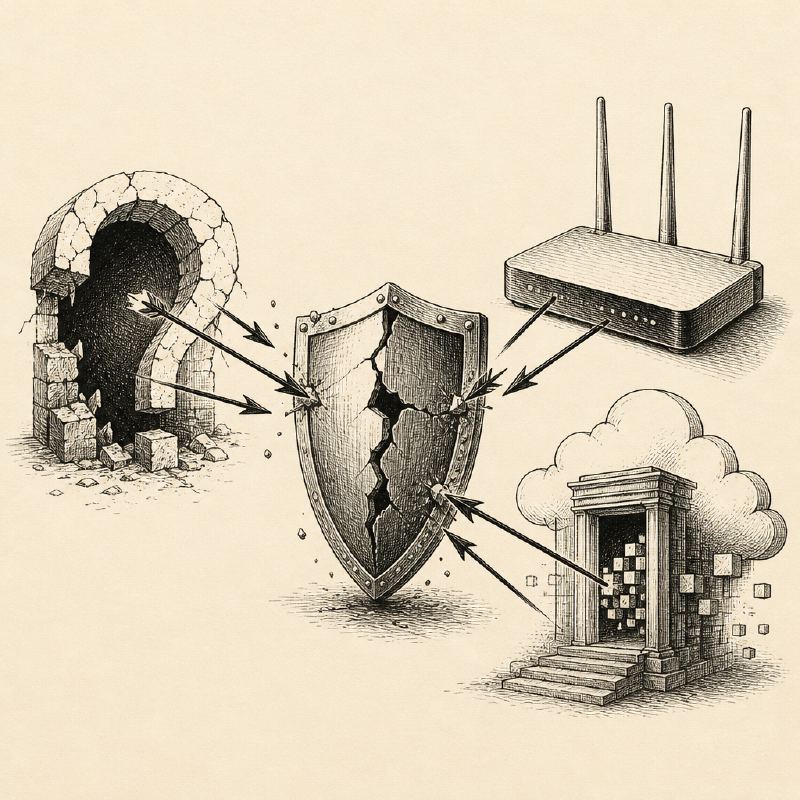
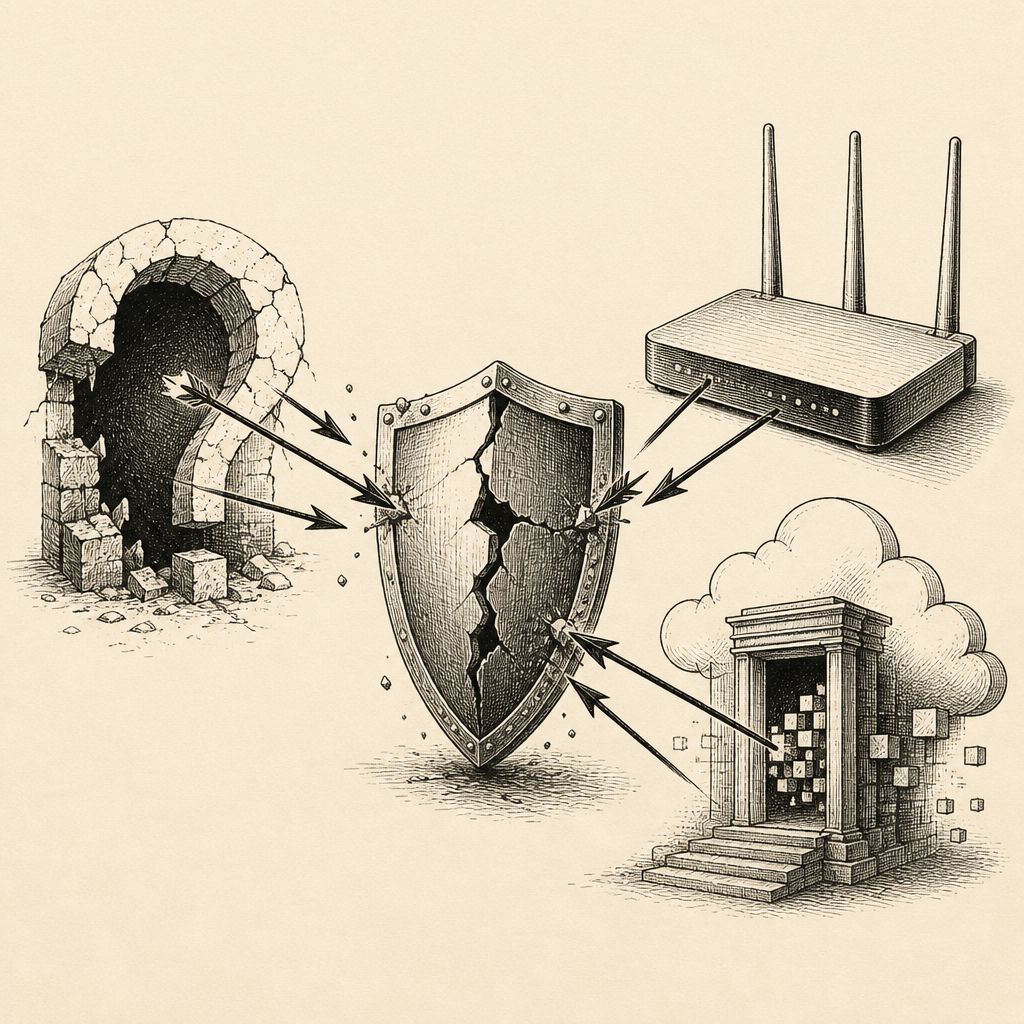
A critical deserialization vulnerability in the Idunno.AntiCsrf library, specifically versions through 0.9.1 Beta on ASP.NET, is being actively exploited. This flaw allows unauthenticated remote attackers to execute code by injecting objects via the double-submit cookie or form field validation. Mandiant has highlighted this issue, noting its presence in the CISA Known Exploited Vulnerabilities (KEV) catalog. Several news outlets, including Cyber Security News and SecurityWeek, report on the exploitation, with some indicating that the library is no longer maintained, increasing the risk for legacy applications. The vulnerability, tracked as CVE-2026-131914, poses a significant threat due to the ease of exploitation and the potential for complete system compromise.
Multiple critical vulnerabilities have been identified in Tenda RX3 routers, specifically firmware version 16.03.13.11. These include improper authentication flaws in the /goform/fast_setting_wifi_set and R7WebsSecurityHandler components, command injection via the /goform/SetRemoteWebCfg file, and a stack-based buffer overflow in the GBK-to-UTF-8 Conversion component within /bin/auto_discover. Tracked as CVE-2026-136553, CVE-2026-136549, and CVE-2026-136548 respectively, these flaws collectively allow for remote unauthenticated attackers to execute arbitrary code and take control of affected devices. The widespread use of such devices in home and small business networks makes these vulnerabilities a significant concern.
Critical vulnerabilities affecting Microsoft Azure services have been disclosed. CVE-2026-109484, an improper sanitization issue in Azure App Service, allows unauthorized attackers to elevate privileges over a network. Similarly, CVE-2026-62841 in Azure Event Grid permits unauthorized attackers to elevate privileges through improper authentication. These flaws highlight potential weaknesses in cloud infrastructure security, enabling attackers to gain higher levels of access and potentially compromise sensitive data or services within the Azure environment.
A session fixation vulnerability in Apache JSPWiki versions 2.10 through 3.0.0 allows attackers to hijack user sessions. The vulnerability, CVE-2026-78114, occurs because the session identifier is not replaced upon user authentication. This enables an attacker who can set a known session identifier in a victim