
Omnispace Agora Project: 21 Vulnerabilities Disclosed in Single Batch
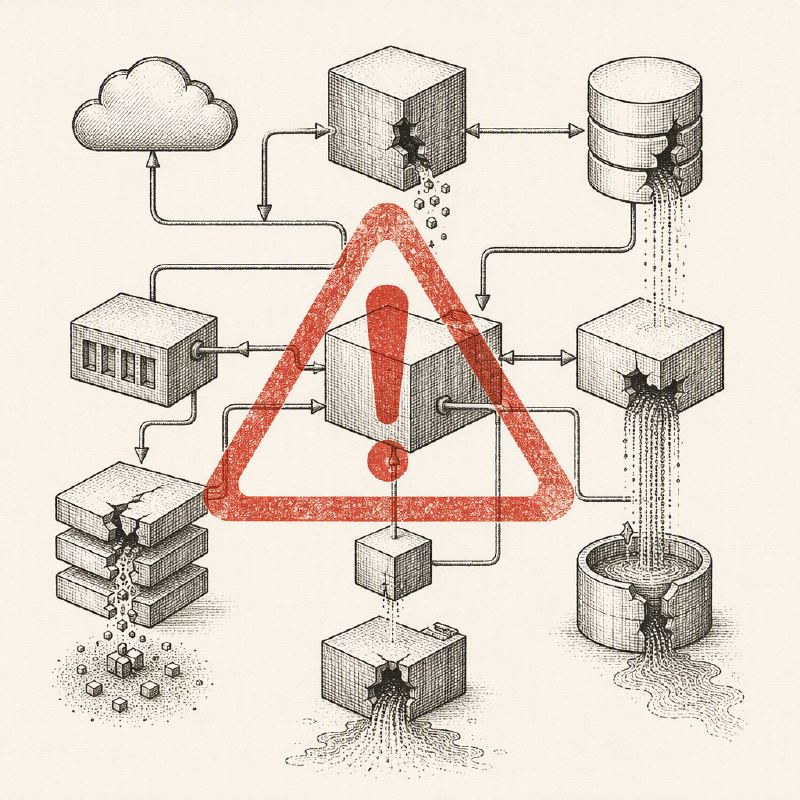
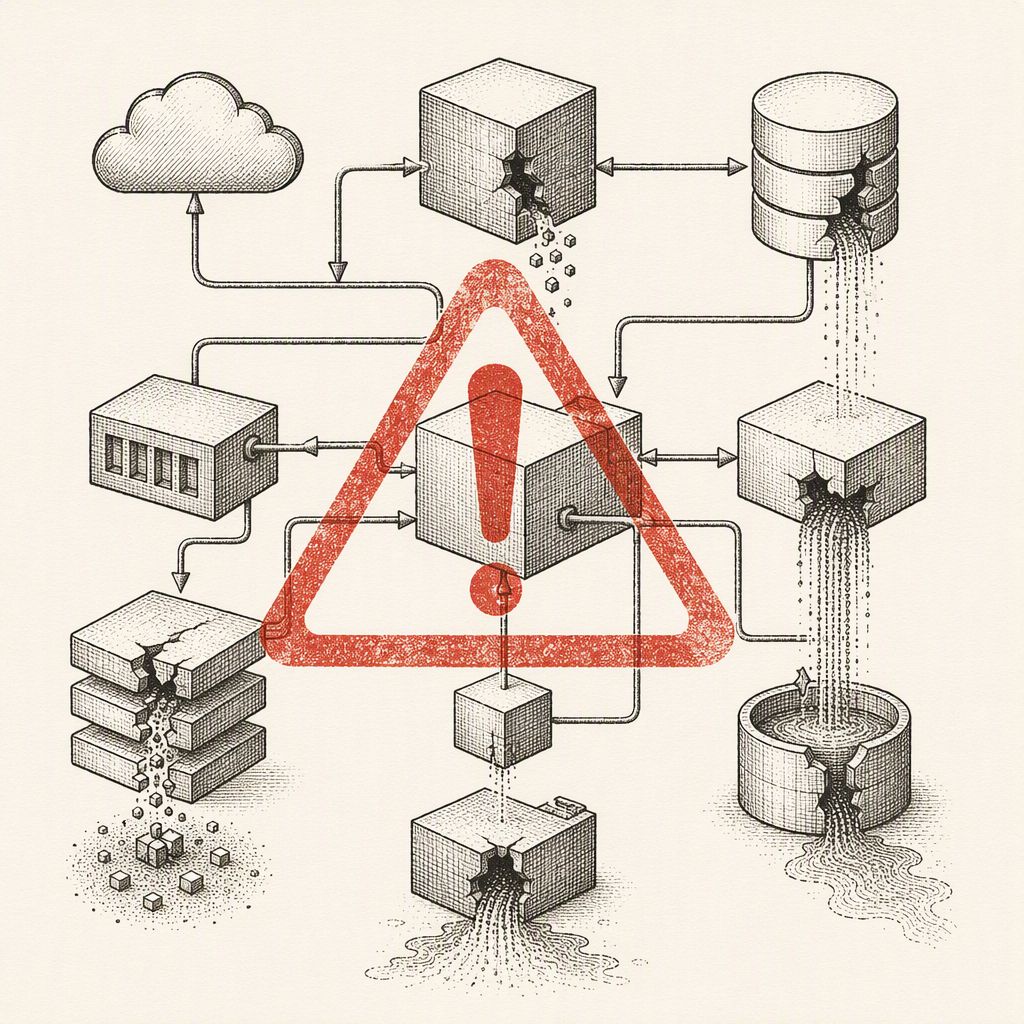
A coordinated disclosure event on October 13, 2026, revealed 21 vulnerabilities in Omnispace Agora Project prior to v26.10.0, including critical code injection and high-severity access control flaws.
Key findings
- 21 vulnerabilities disclosed simultaneously for Omnispace Agora Project v26.10.0.
- Flaws include XSS, SQL injection, path traversal, code injection, and broken access control.
- Critical vulnerability (CVE-2026-63146) allows code injection during installation.
- Multiple authentication bypass and session fixation vulnerabilities were found.
- All issues affect versions prior to 26.10.0; patched in 26.10.0.
- Urgent upgrade recommended to address the widespread security risks.
On October 13, 2026, a significant batch of 21 vulnerabilities was disclosed for Omnispace Agora Project, all affecting versions prior to 26.10.0. This coordinated disclosure event, spanning just one hour, highlights critical security weaknesses across multiple facets of the platform, including cross-site scripting (XSS), broken access control, SQL injection, path traversal, and code injection. The sheer volume and severity of these flaws, with several rated as High and one Critical, underscore the urgent need for users to update their systems.
The vulnerabilities can be broadly categorized by their impact. A notable group consists of stored and reflected cross-site scripting (XSS) flaws, detailed in CVE-2026-63171, CVE-2026-63169, CVE-2026-63168, CVE-2026-63156, CVE-2026-63148, and CVE-2026-63147. These XSS vulnerabilities allow authenticated attackers to inject malicious scripts or HTML through various user inputs, such as forum descriptions, messenger messages, imported user data, link addresses, and filenames, potentially leading to session hijacking or data theft.
Broken access control is another recurring theme, with CVE-2026-63174, CVE-2026-63172, CVE-2026-63163, and CVE-2026-63153 enabling unauthorized actions. These flaws permit administrators to assign users to spaces outside their authority, regular members to create user accounts without proper checks, unauthenticated users to download arbitrary files, and authenticated users to insert access-right records for unauthorized spaces.
Several critical vulnerabilities revolve around data integrity and system control. SQL injection flaws, including CVE-2026-63165 and CVE-2026-63152, allow attackers to manipulate database queries through parameters in calendar sorting and session data, respectively. Path traversal in CVE-2026-63162 enables attackers to write arbitrary files by manipulating temporary folder names. Furthermore, CVE-2026-63154 presents a SQL identifier injection risk during user import, allowing privilege escalation.
Authentication mechanisms were also found to be weak. CVE-2026-63161 details a session fixation vulnerability, while CVE-2026-63160 and CVE-2026-63158 highlight issues with persistent remember-me tokens and authentication bypass using stored password hashes, respectively. CVE-2026-63159 points to a predictable password-reset token, and CVE-2026-63149 reveals insecure randomness in default password generation.
The most severe vulnerability, CVE-2026-63146, is a critical code injection flaw. This vulnerability, combined with an SQL injection issue during installation, allows unescaped attacker-controlled values to be written into the configuration file, potentially leading to complete system compromise.
All 21 vulnerabilities affect Omnispace Agora Project versions prior to 26.10.0. The vendor has released version 26.10.0 to address these security issues. Users are strongly advised to upgrade immediately to mitigate the risks associated with these numerous and severe flaws. The coordinated nature of this disclosure suggests a thorough audit or a single discovery that uncovered a wide range of weaknesses within the Agora Project codebase.
This extensive batch of vulnerabilities presents a critical risk to organizations using Omnispace Agora Project. The variety of attack vectors, from XSS to code injection and authentication bypass, means that a compromise could have far-reaching consequences. Prompt patching is essential to protect user data and maintain system integrity.
Key Findings:
- 21 vulnerabilities disclosed simultaneously for Omnispace Agora Project v26.10.0.
- Flaws include XSS, SQL injection, path traversal, code injection, and broken access control.
- Critical vulnerability (CVE-2026-63146) allows code injection during installation.
- Multiple authentication bypass and session fixation vulnerabilities were found.
- All issues affect versions prior to 26.10.0; patched in 26.10.0.
- Urgent upgrade recommended to address the widespread security risks.
CVE IDs: CVE-2026-63171, CVE-2026-63169, CVE-2026-63168, CVE-2026-63157, CVE-2026-63156, CVE-2026-63174, CVE-2026-63172, CVE-2026-63165, CVE-2026-63163, CVE-2026-63162, CVE-2026-63161, CVE-2026-63160, CVE-2026-63159, CVE-2026-63158, CVE-2026-63154, CVE-2026-63153, CVE-2026-63152, CVE-2026-63149, CVE-2026-63148, CVE-2026-63147, CVE-2026-63146 Image Prompt: A stylized representation of a software architecture diagram with multiple interconnected components, where several components are depicted as crumbling or leaking data, with a prominent red alert symbol overlaying the entire diagram. Title: Omnispace Agora Project: 21 Vulnerabilities Disclosed in Single Batch Lede: A coordinated disclosure event on October 13, 2026, revealed 21 vulnerabilities in Omnispace Agora Project prior to v26.10.0, including critical code injection and high-severity access control flaws.