
npm: 40 Malicious Packages in '3layerdipstack' Campaign Drop Within Five Minutes
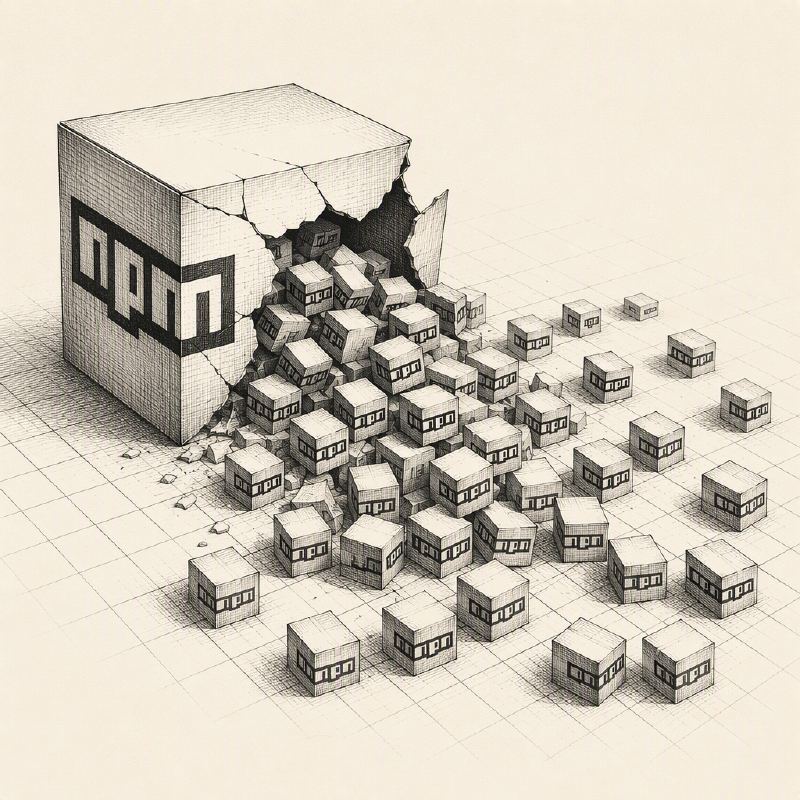
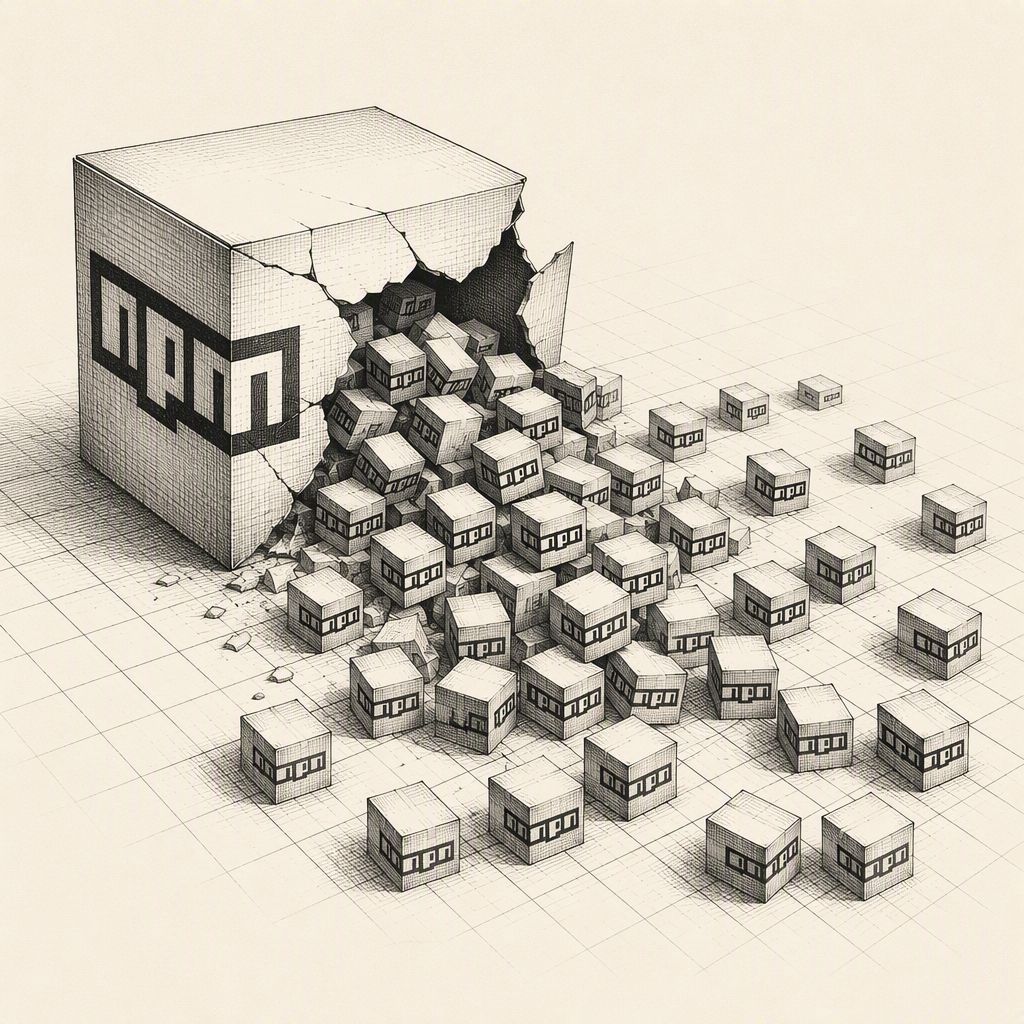
On August 28, 2026, 40 malicious packages sharing the '3layerdipstack' prefix were disclosed on npm within a tight five-minute window, indicating a coordinated supply chain attack.
Key findings
- 40 malicious npm packages disclosed within a 5-minute window on August 28, 2026
- All packages share the common prefix
3layerdipstack, indicating a coordinated campaign - Package names like
3layerdipstackcyqc7osuggest automated generation - Many advisories are marked 'Critical' severity, implying full system compromise
- Developers must audit dependencies for any
3layerdipstackprefixed packages
On August 28, 2026, 40 malicious packages were disclosed on npm within a five-minute window, all sharing the common prefix 3layerdipstack. These packages were flagged and removed from the registry at approximately 15:35 UTC on the same day, indicating a rapid response to a coordinated malicious campaign.
The campaign is characterized by a consistent naming convention: all 40 packages begin with the prefix 3layerdipstack, followed by a seemingly random alphanumeric string. This pattern, exemplified by packages such as 3layerdipstackcyqc7o, 3layerdipstackt3wr5f, 3layerdipstackhr3ocw, 3layerdipstackjsuvtk, and 3layerdipstackm7mock, suggests automated generation, likely to evade detection or to create a large volume of similar-looking packages quickly.
While specific behavioral findings from OpenSSF Package Analysis were not detailed in the advisories for this burst, the nature of such campaigns often involves activities like credential harvesting, remote code execution, or the establishment of persistent backdoors. Given the 'Critical' severity assigned to many of these advisories, it is highly probable that these packages were designed to compromise the systems of developers who installed them.
The severity of these disclosures is uniformly critical. For any system that installed one of these malicious 3layerdipstack packages, a full compromise should be assumed. This means that all secrets, including API keys, tokens, and credentials, should be immediately rotated from a separate, uncompromised machine. Developers should also be vigilant for any unusual activity on their development environments or associated accounts.
Developers are strongly advised to audit their package-lock.json files and dependency trees for the presence of any package starting with 3layerdipstack. If any of the following packages, or others matching the 3layerdipstack prefix, are found, immediate action is required:
3layerdipstackcyqc7o3layerdipstackt3wr5f3layerdipstackhr3ocw3layerdipstackjsuvtk3layerdipstackm7mock
If a malicious package is detected, all credentials associated with the compromised environment should be rotated, and npm token logs should be reviewed for any unauthorized publishing activity.
This coordinated drop of 40 malicious packages within a mere five minutes highlights the ongoing challenge of supply chain security in package ecosystems like npm. The use of automated naming conventions and rapid deployment underscores the evolving tactics of attackers aiming to quickly saturate registries with malicious code before detection. Such bursts necessitate swift action from security teams and constant vigilance from the developer community to mitigate potential widespread compromise.