
Netgate pfSense: 21 Command Injection and Auth Bypass Flaws Disclosed Together
Netgate pfSense CE and FRR package hit with 21 vulnerabilities, including numerous command injection flaws, disclosed on October 15, 2026.
Key findings
- 21 vulnerabilities disclosed for Netgate pfSense CE and FRR package on October 15, 2026.
- Multiple command injection flaws allow root-level code execution across various services.
- High-severity vulnerabilities include OS command injection in OpenVPN, FRR package, and multiple service configurations.
- Authorization bypass and XSS vulnerabilities also disclosed, affecting configuration integrity and web interface security.
- Affected versions include pfSense CE up to 2.9.0 and FRR package versions 2.0.2_1 and 2.1.2_1.
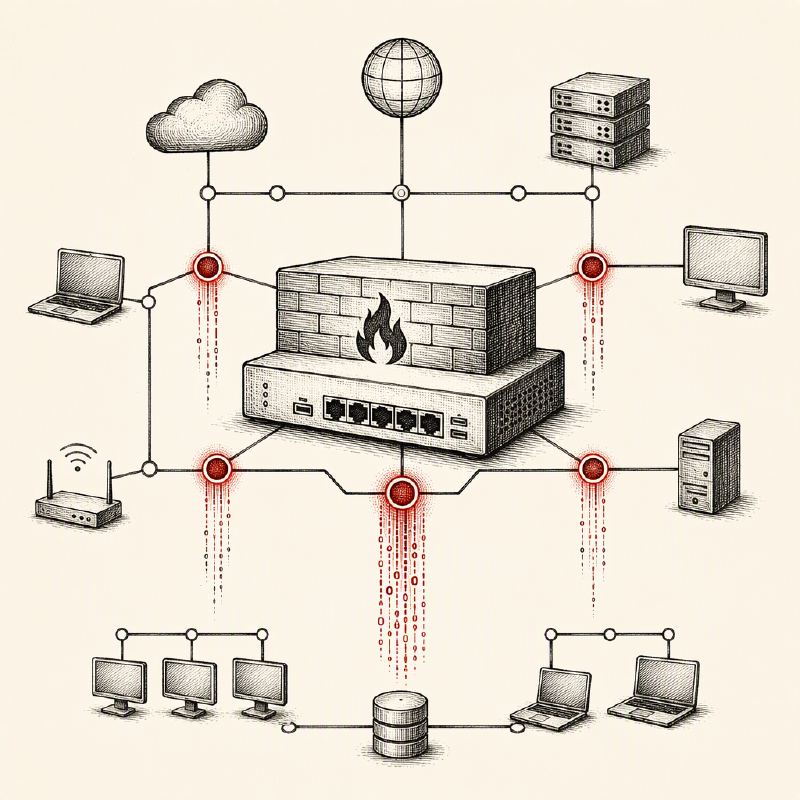
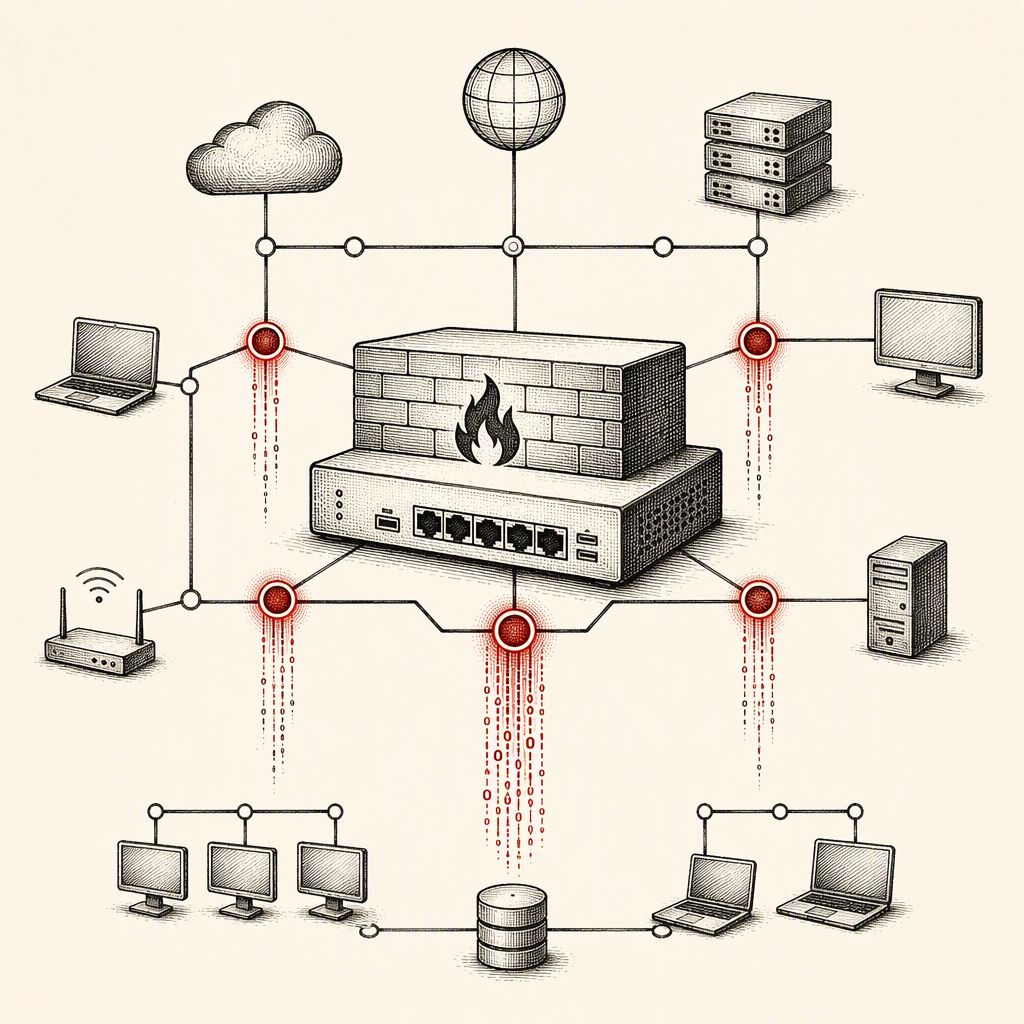
On October 15, 2026, a significant batch of 21 vulnerabilities was disclosed for Netgate's pfSense CE and its FRR package. The vulnerabilities, disclosed within a 16-hour window, range in severity from Medium to High, with a notable cluster of High-severity command injection flaws. This coordinated disclosure event highlights multiple avenues for attackers to gain elevated privileges and execute arbitrary code on affected systems.
A significant portion of these vulnerabilities fall under the category of command injection, allowing authenticated users to execute arbitrary commands as root. These include flaws in various services and configurations:
- OpenVPN: CVE-2026-111224 and CVE-2026-111225 allow authenticated VPN users to execute commands as root or the unbound user through crafted usernames or certificate common names.
- Services Configuration: CVE-2026-111230 (Dynamic DNS client), CVE-2026-111229 (Captive Portal HA sync), CVE-2026-111228 and CVE-2026-111227 (Unbound DNS Resolver), CVE-2026-111226 (Login Protection), CVE-2026-111223 (IPsec Mobile), CVE-2026-111222 (php.ini injection), CVE-2026-111221 and CVE-2026-111215 (PPPoE/L2TP Server), CVE-2026-111220 (PPPs interfaces), CVE-2026-111218 (Traffic Shaper Limiters), CVE-2026-111217 (Virtual IP), CVE-2026-111214 (QinQ), and CVE-2026-111219 (PPPoE server newline injection) all permit command execution as root through various unvalidated input fields and configuration parameters.
- FRR Package: CVE-2026-110908, a High-severity (CVSSv3 8.8) vulnerability in the FRR package's status filter, allows authenticated users with limited privileges to inject OS commands.
Beyond command injection, other critical vulnerabilities were disclosed:
- Authorization Bypass: CVE-2026-111231 allows read-only WebGUI users to bypass privilege restrictions and replace configuration files.
- Cross-Site Scripting (XSS): CVE-2026-111233 and CVE-2026-111232 are reflected and stored XSS vulnerabilities, respectively, affecting firewall rule configuration and DNS resolver settings.
The affected versions for most of these vulnerabilities include pfSense CE up to version 2.9.0. The FRR package is affected in versions 2.0.2_1 and 2.1.2_1. Patches are available for these issues, and users are strongly advised to update to the latest versions to mitigate these risks.
This extensive batch of vulnerabilities underscores the importance of regular security audits and timely patching for network infrastructure devices like pfSense. The prevalence of command injection flaws indicates a need for rigorous input validation across various service configurations within the pfSense ecosystem. Users should prioritize updating their systems to protect against potential exploitation.