
Microsoft Windows Kernel: 25 Memory Corruption Flaws Disclosed Together
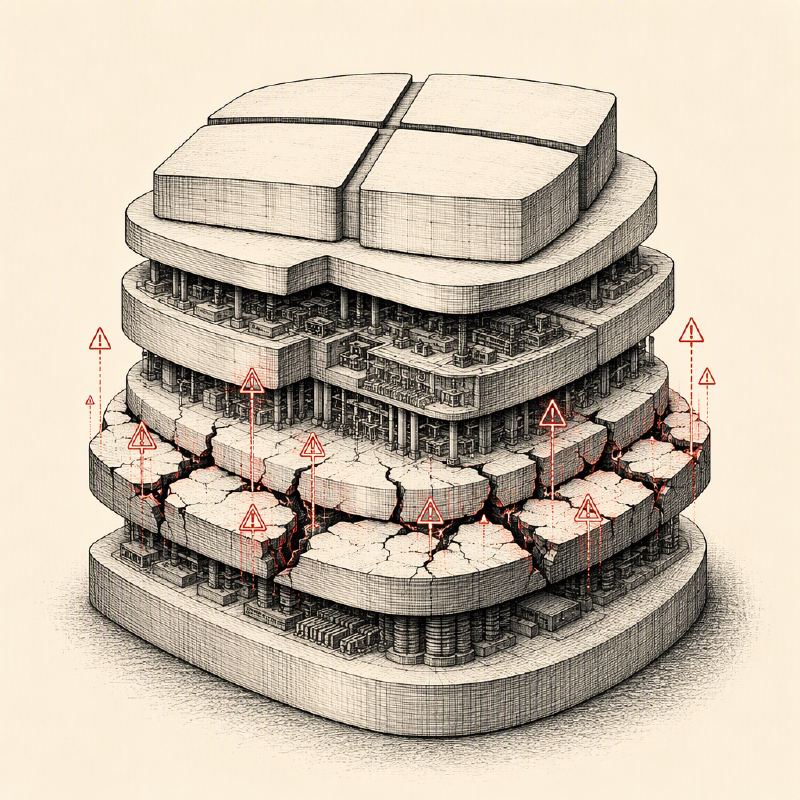
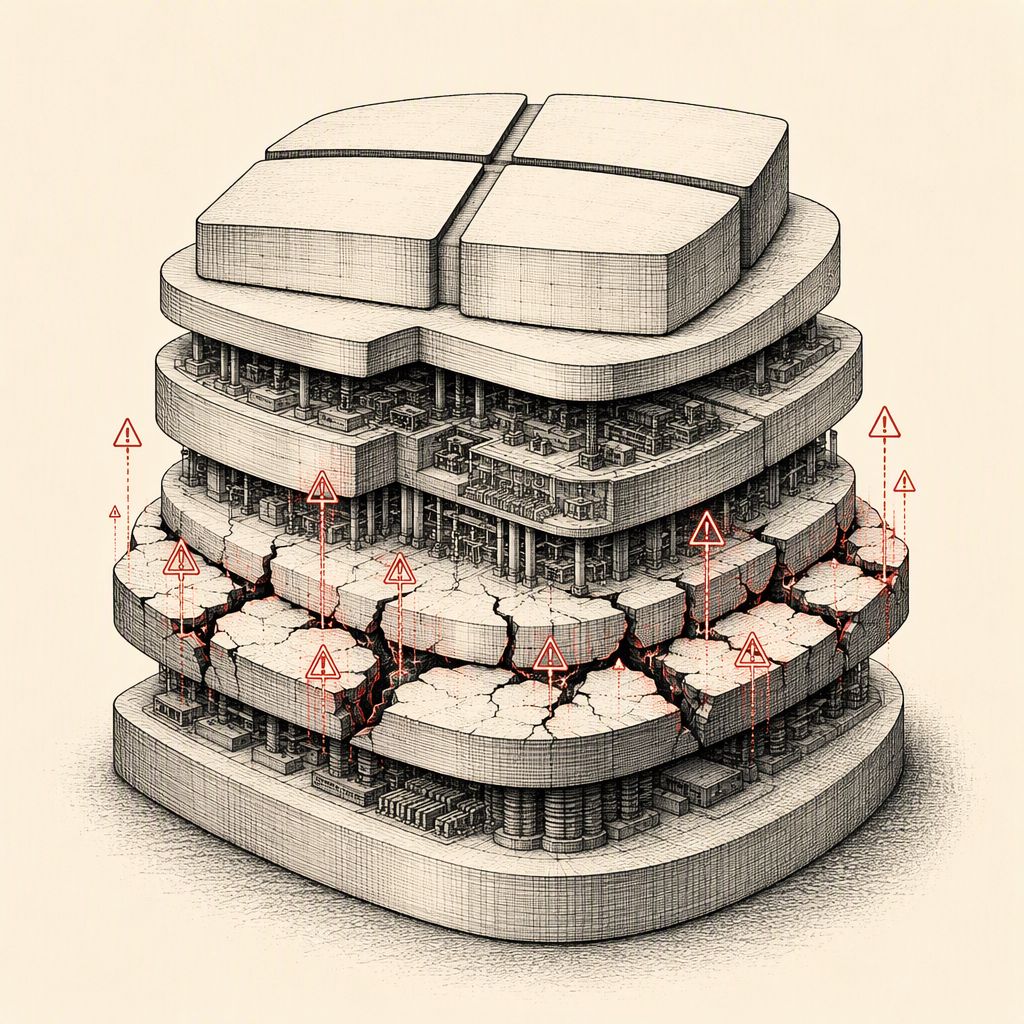
Microsoft disclosed 25 Windows Kernel vulnerabilities on October 13, 2026, primarily heap-based buffer overflows and use-after-free flaws enabling local privilege escalation.
Key findings
- 25 Windows Kernel vulnerabilities disclosed on October 13, 2026.
- Majority of vulnerabilities are High severity, focusing on privilege escalation.
- Common vulnerability types include heap-based buffer overflows and use-after-free errors.
- One medium-severity vulnerability allows for bypassing security features over a network.
- All disclosed vulnerabilities are local in their attack vector, requiring prior access.
- The batch includes CVE-2026-96913 with a CVSS score of 8.8, the highest in this group.
On October 13, 2026, Microsoft addressed a significant batch of 25 vulnerabilities affecting the Windows Kernel. This coordinated disclosure event, occurring within a span of just two minutes, highlights a cluster of memory corruption and privilege escalation flaws. The majority of these vulnerabilities are rated as High severity, with CVSS scores ranging from 7.0 to 8.8, underscoring the potential impact on system security.
The disclosed vulnerabilities primarily fall into two categories: heap-based buffer overflows and use-after-free errors. These memory corruption bugs, detailed in CVEs such as CVE-2026-97803, CVE-2026-96929, and CVE-2026-96913, allow an authorized local attacker to elevate their privileges. Several other heap-based buffer overflows, including CVE-2026-96868, CVE-2026-96312, CVE-2026-83882, CVE-2026-83833, CVE-2026-83768, and CVE-2026-83736, were also part of this batch, all enabling local privilege escalation.
A significant number of use-after-free vulnerabilities were also disclosed, including CVE-2026-96317, CVE-2026-96216, CVE-2026-88141, CVE-2026-88139, CVE-2026-88134, CVE-2026-85945, CVE-2026-85836, CVE-2026-85372, CVE-2026-83924, and CVE-2026-83796. These flaws similarly permit local privilege escalation. Additionally, CVE-2026-85850, a release of invalid pointer or reference, and CVE-2026-85837, an out-of-bounds read, also contribute to the risk of privilege escalation. CVE-2026-83918, an integer overflow or wraparound, and CVE-2026-83913, another use-after-free, further compound the privilege escalation risks.
Beyond privilege escalation, a medium-severity weak authentication vulnerability, CVE-2026-85939 (CVSS 5.3), allows an attacker to bypass a security feature over a network. Another medium-severity flaw, CVE-2026-83925 (CVSS 4.7), involves the use of an uninitialized resource, potentially leading to local information disclosure.
Microsoft's October 2026 Patch Tuesday addressed these vulnerabilities. While the provided information does not specify individual patch versions for each CVE, it is implied that these issues were resolved in the general security updates released on or around October 13, 2026. Users are strongly advised to ensure their Windows systems are up-to-date to mitigate the risks associated with these kernel-level vulnerabilities.
This large batch of kernel vulnerabilities, predominantly focused on memory corruption and privilege escalation, underscores the critical importance of timely patching for Windows operating systems. The concentration of high-severity flaws indicates a significant potential attack surface for adversaries seeking to gain elevated access to affected systems.
Key Findings:
- 25 Windows Kernel vulnerabilities disclosed on October 13, 2026.
- Majority of vulnerabilities are High severity, focusing on privilege escalation.
- Common vulnerability types include heap-based buffer overflows and use-after-free errors.
- One medium-severity vulnerability allows for bypassing security features over a network.
- All disclosed vulnerabilities are local in their attack vector, requiring prior access.
- The batch includes CVE-2026-96913 with a CVSS score of 8.8, the highest in this group.
CVEs addressed in this batch include CVE-2026-97803, CVE-2026-96929, CVE-2026-96913, CVE-2026-96868, CVE-2026-96317, CVE-2026-96312, CVE-2026-96216, CVE-2026-88141, CVE-2026-88139, CVE-2026-88134, CVE-2026-85945, CVE-2026-85939, CVE-2026-85850, CVE-2026-85837, CVE-2026-85836, CVE-2026-85372, CVE-2026-83925, CVE-2026-83924, CVE-2026-83918, CVE-2026-83913, CVE-2026-83882, CVE-2026-83833, CVE-2026-83796, CVE-2026-83768, and CVE-2026-83736.