
Itsourcecode: Five SQL Injection Flaws Disclosed Together, Exploits Publicly Available
Five medium-severity SQL injection vulnerabilities were disclosed in Itsourcecode products between October 1-2, 2026, with publicly available exploits.
Key findings
- Five medium-severity SQL injection vulnerabilities disclosed together for Itsourcecode products.
- Exploits for all disclosed vulnerabilities are publicly available.
- Affected products include Online Admission System, Pet Shop Management System, and Leave Management System.
- Vulnerabilities stem from improper handling of arguments in PHP and controller files.
- All vulnerabilities carry a CVSSv3 score of 6.3 and are remotely exploitable.
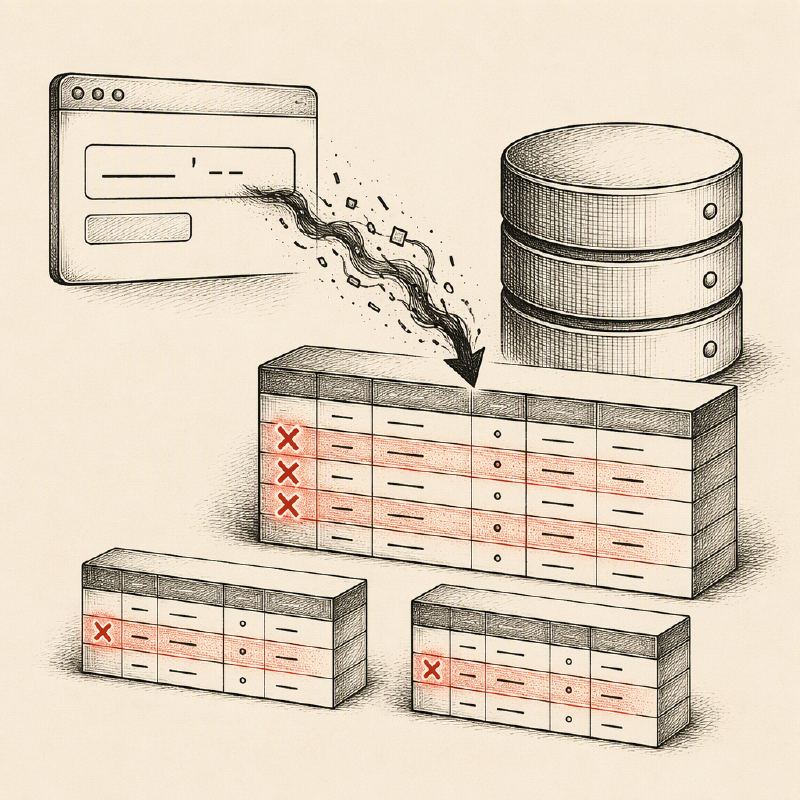
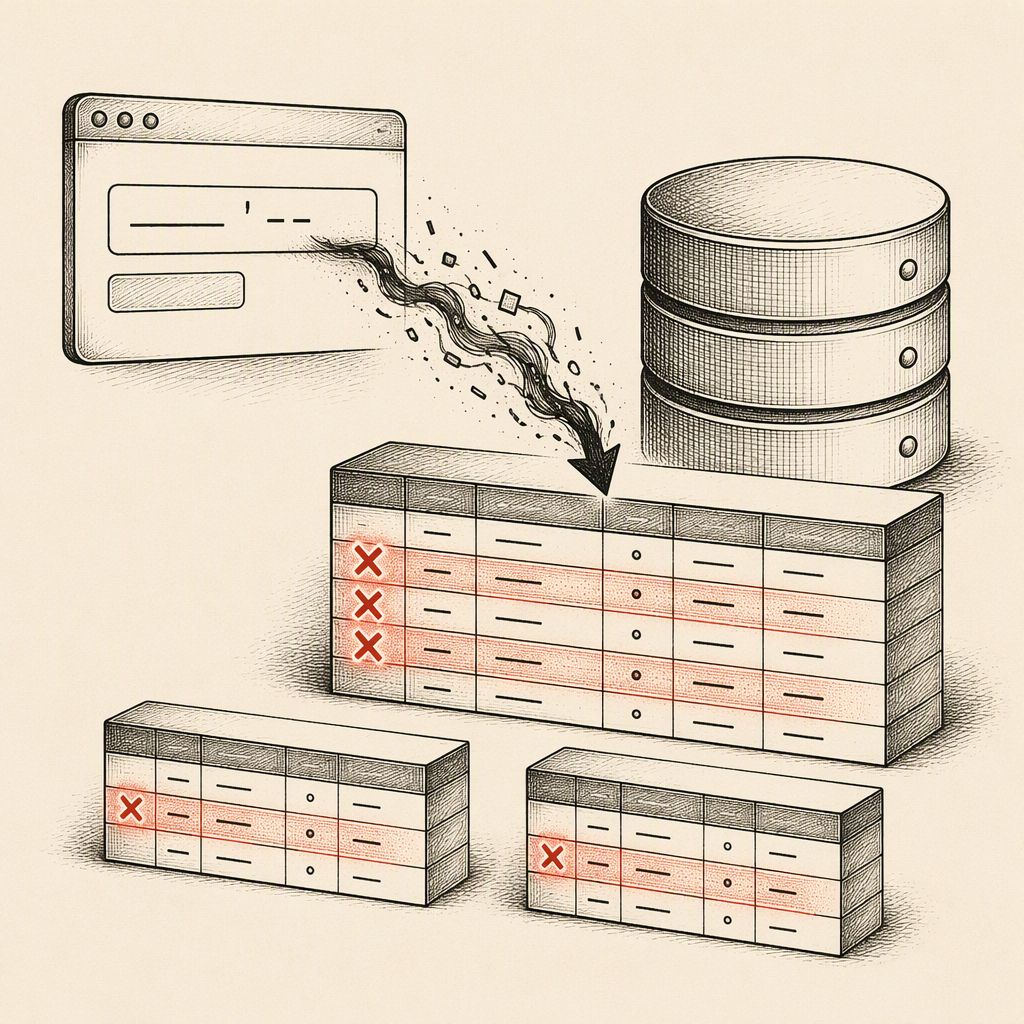
On October 1st and 2nd, 2026, a batch of five medium-severity SQL injection vulnerabilities was disclosed across multiple Itsourcecode products. These vulnerabilities, all carrying a CVSSv3 score of 6.3, were discovered and publicly disclosed, with exploits reportedly available for each. The disclosures highlight a consistent pattern of SQL injection flaws in how these systems handle user-supplied arguments in their PHP and controller files.
The affected products and their specific vulnerabilities include:
- Itsourcecode Online Admission System Project 1.0: CVE-2026-104606 in
confirm.phpallows for SQL injection via manipulation of theIDargument. - Itsourcecode Pet Shop Management System 1.0: Two vulnerabilities were found in this system. CVE-2026-104053 in
admin_reservefilter.phpis exploitable by manipulating thefilterargument, while CVE-2026-104052 inadmin_reject_completed.phpis due to manipulation of theIDargument. Both lead to SQL injection. - Itsourcecode Leave Management System 1.0: This system is affected by two SQL injection flaws. CVE-2026-103690 in
/module/leave/controller.phpis triggered by manipulating theLEAVEIDargument, and CVE-2026-103543 in/module/leavetype/controller.phpis caused by manipulating theLEAVTIDargument.
All five vulnerabilities share the common characteristic of being SQL injection flaws that can be exploited remotely. The descriptions indicate that exploits for each of these CVEs have been publicly released, suggesting a potential risk to any unpatched instances of these Itsourcecode systems.
As of the disclosure window, specific patch information or updated version numbers were not provided in the vulnerability details. However, the consistent nature of these SQL injection flaws across different products suggests a potential need for developers to review input sanitization and database query construction practices. Users of the Itsourcecode Online Admission System Project 1.0, Pet Shop Management System 1.0, and Leave Management System 1.0 should be aware of these vulnerabilities and seek guidance from Itsourcecode regarding available security updates or mitigation strategies.
The coordinated disclosure of these five SQL injection vulnerabilities within a two-day window underscores the importance of timely patching and security diligence for users of Itsourcecode's software. The public availability of exploits increases the urgency for organizations to assess their exposure and apply any available security measures to protect their systems from potential attacks targeting these weaknesses.
This batch of vulnerabilities serves as a reminder for developers and system administrators to prioritize secure coding practices, particularly concerning the handling of user-generated input to prevent common attack vectors like SQL injection.
Key Findings
- Five medium-severity SQL injection vulnerabilities disclosed together for Itsourcecode products.
- Exploits for all disclosed vulnerabilities are publicly available.
- Affected products include Online Admission System, Pet Shop Management System, and Leave Management System.
- Vulnerabilities stem from improper handling of arguments in PHP and controller files.
- All vulnerabilities carry a CVSSv3 score of 6.3 and are remotely exploitable.